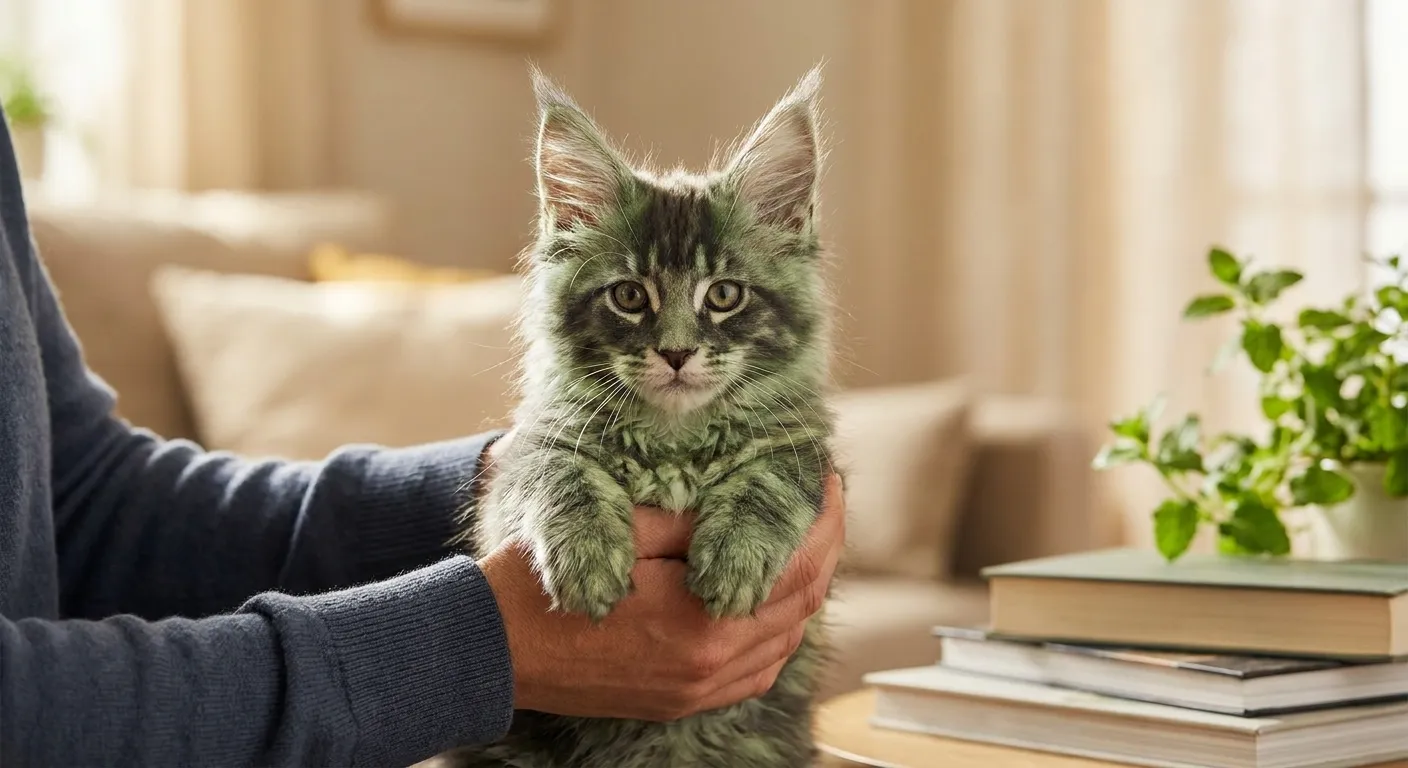
Bringing a new feline companion into your life is an exciting time, especially when you’re welcoming Maine Coon kitten home. These gentle giants, even in their smallest form, bring immense joy and a touch of wild majesty to any household. To ensure a smooth transition and a healthy start for your new furry family member, careful preparation and understanding of their unique needs are paramount. This guide will walk you through everything you need to know to make your Maine Coon kitten feel safe, loved, and settled from day one.
Preparing Your Home for Your New Arrival
Before your Maine Coon kitten even steps paw inside, creating a safe and welcoming environment is crucial. This thoughtful preparation will minimize stress for your kitten and help them adapt more quickly.
Creating a Safe Space
Designate a quiet, secluded room or area where your kitten can decompress and feel secure during their first few days. This ‘safe room’ should be away from high-traffic areas and other pets. Equip it with all their essentials: food, water, litter box, a cozy bed, and a few toys. This personal haven allows them to explore at their own pace without feeling overwhelmed by a large new environment.
Essential Supplies for Your Maine Coon Kitten
Having the right supplies ready will make your kitten’s arrival much smoother. Here’s a checklist:
- Food and Water Bowls: Stainless steel or ceramic are best for hygiene.
- High-Quality Kitten Food: Consult with your breeder or vet for recommendations specific to Maine Coons. Consistency with their previous diet can prevent stomach upset. For more detailed information on their nutritional needs, consider our Comprehensive Guide to Maine Coon Kitten Diet: Nurturing Their Extended Growth.
- Litter Box and Litter: Opt for a spacious litter box; Maine Coons grow large! Unscented clumping litter is generally preferred.
- Comfortable Bed: A soft, washable bed where they can feel secure.
- Scratching Post or Pad: Essential for healthy claw maintenance and to redirect scratching away from furniture.
- Interactive Toys: Provide mental stimulation and encourage play. You might find inspiration in our article, 7 Engaging Play Ideas for Your Maine Coon Cat.
- Carrier: For safe transport to and from the vet.
- Grooming Tools: A soft brush and nail clippers suitable for kittens.
The First Few Days with Your Maine Coon Kitten
The initial days are critical for bonding and establishing routines. Patience and a gentle approach are key.
Gentle Introductions to Family Members
Allow your kitten to initiate contact. Encourage calm, quiet interactions, especially with children. Supervise all interactions closely to ensure positive experiences. Introduce them to other pets gradually and under controlled conditions, always prioritizing the kitten’s safety and comfort.
Establishing Feeding and Hydration Routines
Stick to a consistent feeding schedule, typically 3-4 small meals a day for kittens. Always provide fresh, clean water in multiple locations. Monitor their eating and drinking habits to ensure they are adjusting well and staying hydrated. Proper nutrition is vital for their development.
Litter Box Training
Show your kitten where the litter box is immediately upon arrival. Place them in it gently after waking up and after meals. Most kittens learn quickly, but accidents can happen. Clean up promptly and avoid punishment, which can cause anxiety.
Health and Wellness for Your New Maine Coon
Ensuring your Maine Coon kitten’s health from the outset is fundamental. Regular veterinary care and preventative measures are crucial for their long-term well-being.
First Vet Visit and Vaccinations
Schedule a vet check-up within the first few days of bringing your kitten home. Your veterinarian will confirm their health, discuss vaccination schedules, deworming, and flea prevention. They can also advise on spaying or neutering. For comprehensive health insights, refer to our article on Maine Coon Preventative Health: Essential Care for Longevity.
Grooming Essentials from a Young Age
Maine Coons are known for their luxurious, long coats. Start gentle grooming sessions early to get your kitten accustomed to brushing. This will make future grooming much easier and prevent mats. Use a soft brush and make it a positive experience with treats and praise. Nail trims should also be introduced early. Regular grooming is essential for maintaining their coat’s health and preventing skin issues. Learn more about The Essential Maine Coon Grooming Routine: Keeping Their Coat Pristine.
Understanding Kitten Behavior
Kittens are naturally curious and playful. Provide plenty of appropriate toys and enrichment to satisfy their instincts. Observe their behavior for any signs of stress, illness, or unusual changes. Early intervention can prevent minor issues from becoming major problems. For example, understanding feline body language can help you identify if your new companion is feeling overwhelmed or unwell. Resources like the ASPCA offer excellent guides on understanding common cat behaviors.
Training and Socialization
Early training and socialization are vital for raising a well-adjusted and friendly Maine Coon. These intelligent cats respond well to positive reinforcement.
Positive Reinforcement Training
Use treats, praise, and gentle petting to reward desired behaviors. You can teach your Maine Coon kitten to come when called, use a scratching post, and even walk on a harness. Consistency is key. Short, frequent training sessions are more effective than long, infrequent ones.
Socializing Your Maine Coon Kitten
Expose your kitten to various sights, sounds, and gentle interactions with different people and other friendly pets (after vaccinations). This helps them develop into confident and outgoing adults. However, always ensure these experiences are positive and not overwhelming. A well-socialized Maine Coon is often a joy to have around, comfortable in various situations.
Addressing Common Kitten Challenges
Kittens can have bursts of energy, sometimes leading to nipping or scratching during play. Redirect this behavior with appropriate toys. Never use your hands as toys. If they bite, calmly disengage and stop playing for a short period. This teaches them that biting means the fun stops. Persistent issues may indicate underlying stress or health concerns, so consult your vet if you are worried. Understanding feline behavior is key, for example, recognizing signs of Fear Based Aggression Cats Owners Should Understand can be very helpful.
Long-Term Care Considerations for Your Maine Coon
As your Maine Coon kitten grows, their needs will evolve. Planning for their long-term care ensures they live a full, healthy life.
Dietary Needs as They Grow
Maine Coons have a longer growth period than many other breeds. Continue to feed high-quality kitten food until your vet advises transitioning to adult formulas. Monitor their weight to prevent obesity, which can lead to various health problems. Our guides on Maine Coon Weight Management Tips and Effective Maine Coon Weight Management Strategies offer valuable advice.
Maintaining a Stimulating Environment
Maine Coons are intelligent and require mental and physical stimulation throughout their lives. Provide tall cat trees, puzzle toys, and regular play sessions. These cats also appreciate vertical space and opportunities to climb and observe their surroundings from high vantage points. Consider creating an enriching environment that encourages exploration and activity. For ideas, explore the Exercise Space Large Cats Need for a Healthy Life.
Regular Veterinary Check-ups
Annual vet visits are essential for adult Maine Coons to monitor their health, update vaccinations, and address any emerging issues. Early detection of health problems can significantly improve outcomes. Discuss any changes in behavior, appetite, or activity levels with your vet promptly.
Dental Health
Just like humans, cats need good dental hygiene. Start introducing dental care early, such as special dental treats or even gentle tooth brushing. Poor dental health can lead to serious systemic issues. Learn more about Beyond Bad Breath: Why Maine Coon Dental Hygiene Matters.
The Joy of Welcoming Maine Coon Kitten Home
Bringing a Maine Coon kitten into your family is an incredibly rewarding experience. These magnificent cats are known for their playful nature, affectionate personalities, and striking appearance. By taking the time to prepare your home, understand their unique needs, and provide consistent care, you are setting the stage for a lifetime of companionship and joy. Remember, the effort you put into those initial days and weeks will lay the groundwork for a happy, healthy, and well-adjusted feline friend. Therefore, the decision to prepare for welcoming Maine Coon kitten home is one that brings immeasurable happiness.
A well-cared-for Maine Coon kitten will grow into a loving and loyal companion. They thrive on interaction and become deeply attached to their human families. The journey of raising a Maine Coon is filled with delightful moments, from their kitten antics to their impressive adult presence. Consequently, investing in their early care pays dividends in a strong, loving bond.
Finally, enjoy every moment of this special journey. Each purr, playful pounce, and gentle head-butt will remind you of the unique bond you share. Welcoming Maine Coon kitten home is more than just bringing a pet home; it’s about adding a cherished family member who will enrich your life in countless ways. For further reading and to connect with other Maine Coon enthusiasts, the TICA Maine Coon Breed Profile offers additional insights into the breed’s characteristics and history.
FAQ
How do I prepare my home for a new Maine Coon kitten?
Start by creating a safe, quiet room with all essentials: food, water, litter box, bed, and toys. This gives your new feline a secure space to adjust without feeling overwhelmed. Kitten-proofing your home by securing loose cords and small objects is also important.
What should I feed my new Maine Coon baby cat?
Consult your breeder or veterinarian for specific recommendations. Generally, a high-quality kitten food designed for large breeds is best. Maintaining consistency with their previous diet initially helps prevent stomach upset. Fresh water should always be available.
How long does it take for a Maine Coon kitten to adjust to a new home?
Adjustment times vary, but most kittens begin to feel comfortable within a few days to a week. Some may take longer, especially if they are shy. Patience, a consistent routine, and a calm environment will greatly aid their transition.
What kind of toys are best for a young Maine Coon?
Maine Coons are intelligent and playful. Provide a variety of interactive toys, such as wand toys, puzzle feeders, and crinkle balls, to keep them mentally and physically stimulated. Ensure toys are safe and durable to withstand their playful energy.
How important is early socialization for my Maine Coon kitten?
Early socialization is very important. Gently exposing your kitten to different people, sounds, and experiences (once vaccinated) helps them develop into a confident and well-adjusted adult cat. Positive interactions during this critical period will shape their temperament.