Raising a Maine Coon kitten is a unique experience. Their impressive size and remarkably slow maturation distinguish them from other breeds. Unlike average cat breeds, Maine Coons can continue growing for up to 18-24 months. This extended growth period makes their early nutrition critically important. Establishing the correct Maine Coon kitten diet from the start is paramount. It supports their development into healthy, majestic adults. This guide will delve into the specific dietary needs of these ‘gentle giants.’ We will ensure they receive optimal fuel for their unique growth curve.
The Unique Nutritional Needs of Growing Maine Coons
Maine Coons are not just bigger cats; their growth plates remain open longer. Consequently, they demand a sustained intake of high-quality nutrients. For kittens, a diet rich in protein and healthy fats is non-negotiable. Aim for kitten formulas with 30-35% protein and 15-20% fat. These percentages are essential for building their muscular frame and supporting brain development. High-quality animal proteins, such as chicken, turkey, fish, and beef, should be at the forefront of their food’s ingredient list. Remember, their journey to full size is a marathon, not a sprint. Therefore, they need a calorie-dense formula for longer than you might expect for other breeds.
Decoding Premium & Human-Grade Nutrition for Your Maine Coon
The pet care industry is currently experiencing a significant trend towards ‘premiumization and humanization.’ Pet owners increasingly prioritize high-quality, transparent ingredients. For your Maine Coon kitten, this translates to seeking out cleaner, more wholesome nutrition. Look for foods with clearly defined protein sources, minimal fillers, and no artificial preservatives. Freeze-dried options, raw blends, and foods incorporating superfoods are gaining traction. This reflects a demand for human-grade standards. Brands like Royal Canin and Hill’s Science Diet have been at the forefront of pioneering breed-specific kibble innovations. They offer formulas tailored to the unique needs of large breeds, including the Maine Coon.
Portion Control and Feeding Schedules for Healthy Growth
While calorie-dense food is vital, proper portion control and a consistent feeding schedule are equally important. This prevents overfeeding and promotes healthy weight gain. Maine Coon kittens, especially during their intense growth phases, typically require more frequent meals than adults. Offering two to three measured meals per day helps regulate their metabolism. It also prevents them from overeating. Always follow the guidelines on your chosen kitten food. Adjust based on your cat’s activity level and veterinarian’s advice. Once they approach their adult size, typically around 12-18 months, you can gradually transition them to a high-quality adult formula. Maintain a consistent feeding schedule of two measured meals daily.
Essential Nutrients Beyond Protein: Omega Fatty Acids and More
Beyond protein and fat, other nutrients play a crucial role in a Maine Coon kitten’s development. Omega-3 and Omega-6 fatty acids are particularly vital. These healthy fats support brain development, promote a healthy coat, and contribute to overall joint health. Look for ingredients like fish oil, flaxseed, or salmon in your kitten’s food. Furthermore, calcium and phosphorus are essential for strong bone development. Since Maine Coons grow into large cats, robust skeletal health is paramount. Ensure their diet provides an appropriate balance of these minerals. Also, vitamins and minerals, in general, support various bodily functions. These include immune system strength and energy metabolism. A well-rounded, high-quality commercial diet usually provides these adequately. However, always consult your vet about any potential supplements, especially for a growing Maine Coon.
Understanding the Role of Hydration
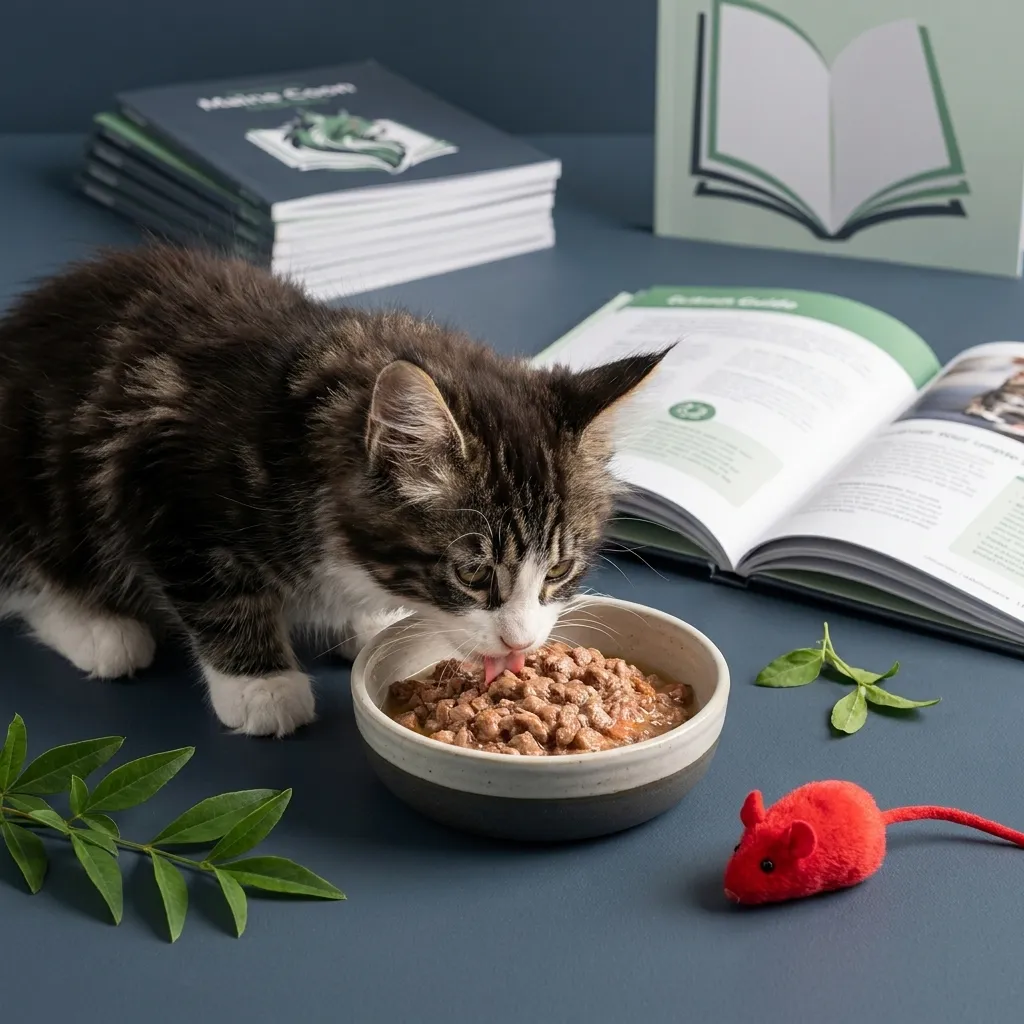
Proper hydration is just as important as solid food for your Maine Coon kitten. Cats, by nature, often don’t drink enough water. This can lead to various health issues later in life, particularly affecting kidney health. Encourage water intake by providing multiple fresh water sources. Consider using ceramic or stainless steel bowls, as some cats dislike plastic. A pet water fountain can also be highly effective. The running water often entices cats to drink more. Moreover, incorporating wet food into their diet significantly boosts their daily water intake. Wet food typically contains around 70-80% moisture. This is a considerable advantage for ensuring your kitten stays well-hydrated.
Transitioning Your Maine Coon Kitten’s Diet
The transition from kitten food to adult food is a gradual process. It should be handled with care to avoid digestive upset. Typically, this transition occurs between 12 and 18 months of age, depending on your individual cat’s growth rate and development. Begin by mixing a small amount of the new adult food with their current kitten food. Over a period of 7-10 days, gradually increase the proportion of adult food while decreasing the kitten food. This slow introduction allows their digestive system to adjust. Monitor your kitten for any signs of digestive upset, such as vomiting or diarrhea. If these occur, slow down the transition further. Consulting your veterinarian for personalized advice on this transition is always a good idea.
Raw Food Diets: Considerations for Maine Coons
Raw food diets have gained popularity among some pet owners. Proponents suggest benefits like improved coat health, increased energy, and better digestion. However, feeding a raw diet to a growing Maine Coon kitten requires careful planning and execution. Raw diets, if not properly balanced, can lead to nutritional deficiencies or excesses. These imbalances can be particularly detrimental to a growing kitten’s bones and organs. Furthermore, raw meat carries risks of bacterial contamination, such as Salmonella or E. coli, which can affect both your cat and your family. If you are considering a raw Maine Coon kitten diet, it is absolutely essential to work closely with a veterinary nutritionist. They can help formulate a safe, complete, and balanced diet tailored to your kitten’s specific needs. Without expert guidance, a raw food approach can pose significant health risks.
Supplements for Optimal Maine Coon Growth
While a high-quality commercial kitten food should provide most necessary nutrients, some owners consider supplements. Joint supplements, such as glucosamine and chondroitin, are often discussed for large breeds like Maine Coons. These can support joint health as they grow into their large frames. However, always consult your veterinarian before adding any supplements to your Maine Coon kitten diet. Over-supplementation can be just as harmful as deficiencies. Your vet can assess your kitten’s individual needs and recommend appropriate, safe dosages if required. Never administer human supplements to your cat without veterinary approval. Their metabolic systems differ significantly from ours.
Common Dietary Mistakes to Avoid
Several common mistakes can hinder a Maine Coon kitten’s healthy development. First, avoid feeding adult cat food too early. Kitten formulas are specifically designed with higher protein, fat, and calorie content to support rapid growth. Second, do not overfeed. While Maine Coons are big, excessive weight gain can lead to obesity and associated health problems, including joint issues. Stick to recommended portion sizes. Third, resist feeding human food scraps. Many human foods are toxic to cats, or simply lack the balanced nutrition they need. Fourth, ensure consistent access to fresh water. Dehydration is a serious concern. Finally, avoid frequent, sudden changes in their Maine Coon kitten diet. This can cause digestive upset. Gradual transitions are always best.
The Long-Term Impact of a Proper Maine Coon Kitten Diet
The nutritional foundation laid during kittenhood has a profound and lasting impact on your Maine Coon’s adult health. A well-managed Maine Coon kitten diet contributes to strong bones, healthy muscles, a robust immune system, and a luxurious coat. It can also help prevent obesity and related conditions later in life. Investing in high-quality food and following proper feeding practices during their extended growth phase is an investment in their overall longevity and well-being. A healthy start means a healthier, happier life for your gentle giant. For more detailed information on feline nutrition, consider resources like the American Association of Veterinary Medical Colleges or Tufts University’s Cummings School of Veterinary Medicine.
Monitoring Your Maine Coon Kitten’s Health and Weight
Regularly monitoring your Maine Coon kitten’s health and weight is crucial. This ensures their Maine Coon kitten diet is meeting their needs. Weekly weight checks can help you track their growth curve. Consult your veterinarian if you notice any sudden drops or excessive gains. Observe their energy levels, coat condition, and litter box habits. These are all indicators of their overall health. A healthy kitten should be energetic, have a shiny coat, and produce well-formed stools. Annual or bi-annual veterinary check-ups are also essential. Your vet can provide professional guidance on their growth, diet, and any necessary adjustments. They can also address any underlying health concerns. Early detection of issues is always beneficial.
Breed-Specific Formulas: Are They Necessary?
Breed-specific formulas, such as those offered by Royal Canin, are designed with the unique needs of certain breeds in mind. For Maine Coons, these often feature larger kibble sizes to encourage chewing. This promotes dental health. They also contain tailored nutrient profiles to support bone and joint health, and a healthy heart. While not strictly
Explore more: More from MaineCoonCatsGuide