Pet obesity remains a pervasive and growing concern in the pet care industry. Studies in 2025 revealed that over 58% of pet owners are actively trying to help their pets lose weight. Yet, many struggle to achieve lasting success. For Maine Coon owners, managing weight can be particularly challenging due to their large size and often relaxed indoor lifestyles. Effective Maine Coon weight management isn’t just about aesthetics; it’s a critical component of their long-term health. This prevents conditions like joint strain, diabetes, and heart issues. This article provides actionable strategies for keeping your ‘gentle giant’ at a healthy weight.
Understanding the Maine Coon Obesity Challenge
The global pet obesity management market was valued at $9.46 billion in 2025 and is projected to reach $10.05 billion in 2026. This highlights the urgent need for solutions. Maine Coons, while naturally large, are not immune to the risks of excess weight. Their substantial frame means that even a few extra pounds can put significant stress on their joints, especially their hips and elbows. Factors contributing to obesity often include overfeeding, lack of adequate exercise, and a diet not tailored to their specific metabolic needs. Recognizing these challenges is the first step towards proactive health. Furthermore, understanding their breed-specific needs is vital for preventing weight gain.
Crafting a Personalized Nutrition Plan for Weight Control
The ‘Health and Wellness Focus’ trend emphasizes personalized nutrition plans. This is especially beneficial for Maine Coons. Adult Maine Coons typically require around 25-35 calories per pound of body weight daily. However, this varies greatly with activity levels. For successful weight control, focus on a high-quality, protein-rich diet. High-quality animal proteins should constitute 26-30% of their daily meals in dry food, or 40-60% (dry matter basis) in wet or raw food. Portion control is paramount; instead of free-feeding, offer two measured meals per day. Companies like Wellness Pet are actively conducting studies on healthy weight dry food recipes. These demonstrate promising results in weight loss and maintenance, which speaks to the evolving science behind pet nutrition. Moreover, consulting with your veterinarian can help tailor a diet plan specifically for your cat’s needs and current weight. This personalized approach is key to effective Maine Coon weight management.
The Role of Activity and Engagement in Maine Coon Weight Management
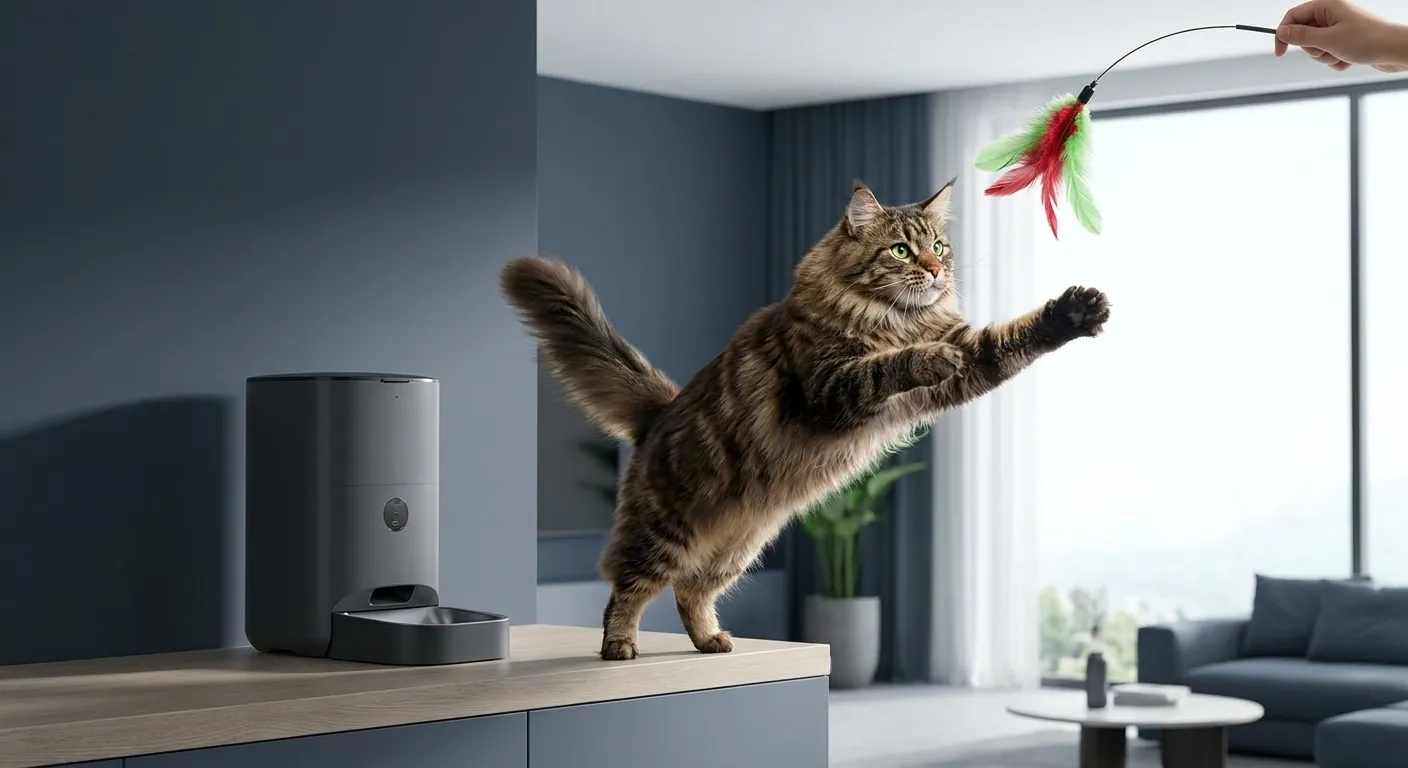
An active lifestyle is as crucial as diet for Maine Coon weight management. Despite their size, Maine Coons are often playful and enjoy interactive games. Incorporate daily play sessions with feather wands, laser pointers, or puzzle toys that encourage movement. Investing in climbing structures, cat trees, and shelves can also provide vertical space for exercise and exploration. The ‘Technological Integration’ trend offers solutions here. Smart feeders ensure portion control, and wearables track activity and sleep. These tools help owners monitor their cat’s energy expenditure and adjust their routine accordingly. Consequently, regular physical activity supports healthy muscle mass and burns calories. Aim for at least 15-20 minutes of active playtime daily, broken into several shorter sessions.
Supplements and Veterinary Support: A Proactive Approach
Preventative healthcare is essential for maintaining a healthy weight. Certain supplements can support joint health, which is particularly important for larger breeds like Maine Coons carrying extra weight. Glucosamine and chondroitin, for example, can help protect cartilage and reduce inflammation. Omega-3 fatty acids also offer anti-inflammatory benefits and support overall well-being. Always consult your veterinarian before introducing any supplements to your cat’s diet. Your vet can provide guidance on appropriate dosages and ensure there are no contraindications with existing medications. Regular veterinary check-ups are also crucial. They allow for consistent monitoring of your cat’s weight and overall health. Your vet can identify potential underlying medical conditions contributing to weight gain and help adjust your Maine Coon weight management plan as needed. They are your best resource for personalized advice.
Understanding Ideal Body Condition for Your Maine Coon
Knowing what a healthy weight looks like for your Maine Coon is fundamental. Unlike smaller breeds, their large frame can sometimes mask excess weight. A healthy Maine Coon should have a noticeable waist when viewed from above. You should also be able to feel their ribs easily without pressing hard, but they shouldn’t be visibly prominent. Their belly should tuck up slightly when viewed from the side. If your cat has a sagging belly or you can’t feel their ribs, they are likely overweight. Use a body condition score chart, often available from your vet or online from reputable sources like the WSAVA Global Nutrition Committee, to objectively assess your cat’s physique. Regularly monitoring their body condition helps you make timely adjustments to their diet and exercise regimen, ensuring optimal feline weight control.
Overcoming Common Obstacles in Weight Loss
Weight loss journeys often come with challenges. One common obstacle is dealing with a picky eater who refuses a new diet. Gradually transition to new foods over 7-10 days to minimize digestive upset and encourage acceptance. Another hurdle can be managing multiple pets with different dietary needs. Consider feeding cats in separate rooms or using microchip-activated feeders to ensure each cat only consumes their designated food. Furthermore, indoor cats might seem less active, but creative play can engage them. Introduce new toys regularly or hide treats to encourage foraging behavior. Patience and consistency are vital. Do not get discouraged by slow progress; even small, steady weight loss is a success. Remember, maintaining a healthy weight for your Maine Coon is a long-term commitment, requiring ongoing effort and adaptation.
The Importance of Hydration and Fiber
Water plays a critical role in feline metabolism and overall health. Ensure your Maine Coon always has access to fresh, clean water. Consider using a pet water fountain, as many cats prefer flowing water, which can encourage increased water intake. Proper hydration supports kidney function and can help your cat feel fuller, aiding in appetite control. Fiber is another essential component of a weight management diet. It adds bulk to food without adding significant calories, promoting satiety and healthy digestion. Look for cat foods with moderate to high fiber content. Your veterinarian might also recommend specific fiber supplements if needed. Together, adequate hydration and fiber contribute significantly to successful Maine Coon weight management, promoting both fullness and digestive regularity.
Monitoring Progress and Adjusting Strategies
Regularly tracking your Maine Coon’s weight is crucial for successful weight control. Weigh your cat weekly or bi-weekly using a reliable pet scale. Keep a log of their weight, food intake, and activity levels. This data helps you identify trends and determine if your current strategies are effective. If your cat isn’t losing weight or is losing it too quickly, it’s time to re-evaluate. Consult your veterinarian to discuss potential adjustments to their diet, exercise routine, or to rule out any underlying health issues. Sometimes, a slight reduction in calorie intake or an increase in playtime is all that’s needed. Conversely, if they are losing too much weight, their caloric intake might need a slight increase. Consistent monitoring and a willingness to adjust are key to achieving and maintaining your Maine Coon’s ideal weight.
Preventing Weight Gain: A Lifelong Commitment
Once your Maine Coon reaches a healthy weight, the focus shifts to maintenance. This is not a temporary diet but a permanent lifestyle change. Continue with measured meals, regular exercise, and consistent veterinary check-ups. Be mindful of treats; they should be given sparingly and account for no more than 10% of your cat’s daily caloric intake. Opt for low-calorie, healthy treats or even small pieces of cooked chicken or fish. Educate all family members about the importance of adhering to the feeding plan to avoid accidental overfeeding. Preventing weight gain is often easier than losing it. Therefore, establishing healthy habits early in your Maine Coon’s life can significantly contribute to their long-term well-being. This proactive approach ensures ongoing Maine Coon weight management.
Conclusion
Effective Maine Coon weight management is a multifaceted endeavor that requires dedication, knowledge, and a partnership with your veterinarian. By understanding their unique needs, implementing a tailored nutrition plan, encouraging regular activity, and monitoring their progress, you can help your ‘gentle giant’ live a long, healthy, and happy life. Remember, every Maine Coon is an individual, so what works best for one may need slight adjustments for another. Stay consistent, be patient, and celebrate every small victory on their journey to optimal health. Your commitment to their well-being will undoubtedly be rewarded with years of purrs and playful moments.
FAQ
What is the ideal weight range for a Maine Coon?
The ideal weight for a Maine Coon can vary significantly based on their sex and individual build. Generally, males weigh between 13-18 pounds, and females between 8-12 pounds. However, it’s more important to assess their body condition rather than just the number on the scale. Consult your vet for a personalized assessment.
How can I tell if my Maine Coon is overweight?
You can usually tell if your Maine Coon is overweight if you cannot easily feel their ribs without pressing hard, they lack a distinct waist when viewed from above, or their belly sags. A body condition score chart can also help you objectively evaluate their physique.
What kind of exercise is best for an overweight Maine Coon?
For an overweight Maine Coon, interactive play sessions with feather wands, laser pointers, or puzzle toys are excellent. Encourage climbing with cat trees and shelves. Aim for several short play sessions throughout the day to increase their activity without overexerting them.
Are there specific foods recommended for feline weight control?
For feline weight control, look for high-quality, protein-rich cat foods, often labeled as
Explore more: More from MaineCoonCatsGuide