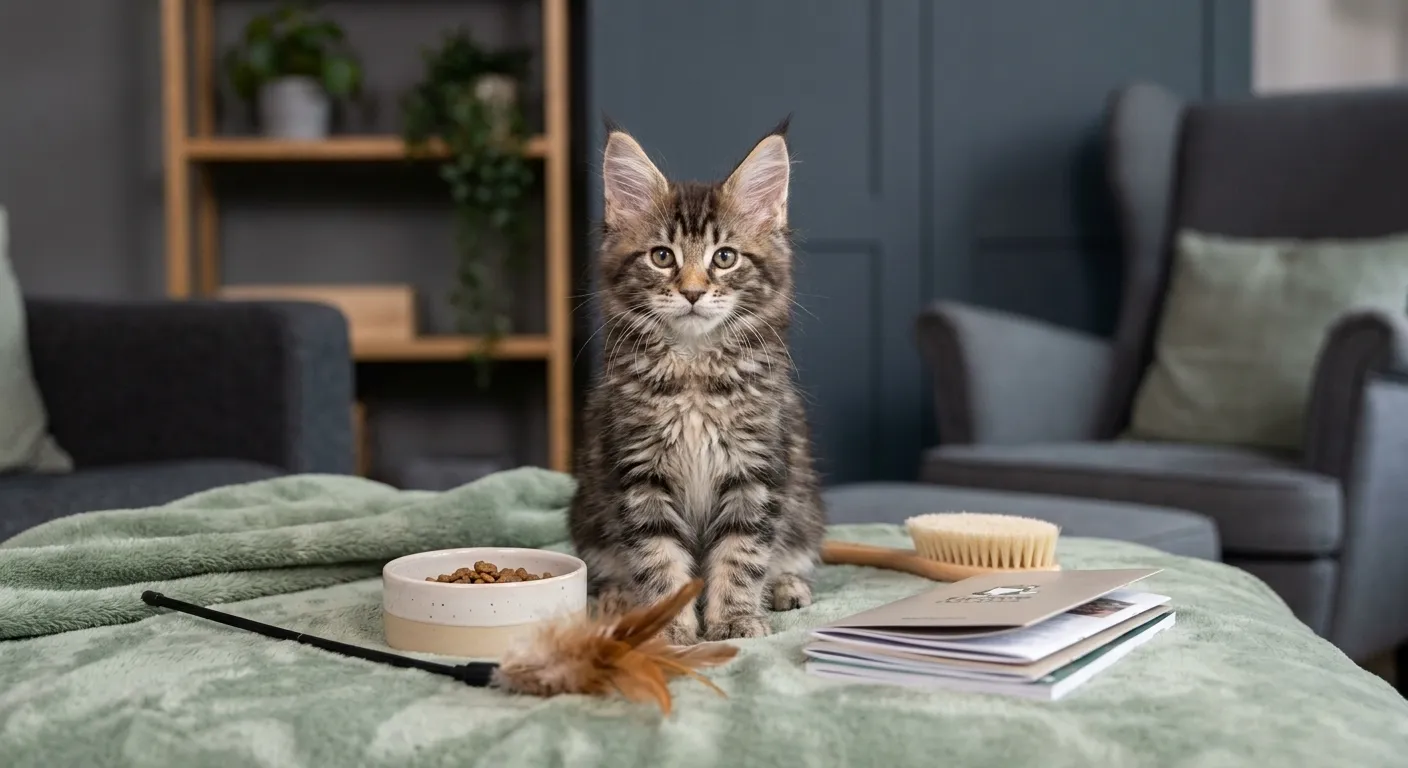
Welcoming a new Maine Coon kitten into your home is an exciting time, filled with anticipation and joy. To ensure a smooth transition and a healthy start, understanding specific maine coon kitten care needs is paramount. These gentle giants, even in their tiny kitten form, have unique requirements that differ from other breeds. This guide will walk you through everything from preparing your home to their first veterinary visits, ensuring your furry friend thrives from day one.
Preparing Your Home for Your New Maine Coon Kitten
Before your little fluffball arrives, it’s crucial to kitten-proof your living space. Maine Coons are curious and playful, so remove any potential hazards. For example, small objects they could swallow, toxic plants (lilies, sago palms, etc.), and loose electrical cords must be secured. Designate a quiet, safe space for your kitten initially, equipped with a litter box, food and water bowls, and a cozy bed. This sanctuary will help them acclimate without feeling overwhelmed. Furthermore, consider investing in a sturdy scratching post or cat tree; these intelligent felines love to climb and explore. Providing appropriate outlets will prevent them from scratching furniture. Ultimately, a safe environment is key for excellent Maine Coon kitten upbringing.
Essential Nutrition for Growing Maine Coon Kittens
Proper nutrition is fundamental for the healthy development of your giant-breed kitten. Look for high-quality kitten food specifically formulated for large breeds. These often have appropriate calcium-to-phosphorus ratios to support bone and joint growth. The first few months are critical for their rapid development. Consequently, consult with your veterinarian on the best feeding schedule and portion sizes. Fresh water should always be available. Avoid free-feeding if your kitten tends to overeat; instead, offer measured meals throughout the day. A balanced diet contributes significantly to their overall health and magnificent coat. For more in-depth information on their dietary requirements, read our Comprehensive Guide to Maine Coon Kitten Diet: Nurturing Their Extended Growth.
Basic Grooming for Your Maine Coon Kitten
Even as kittens, Maine Coons benefit from early grooming routines. Their long, luxurious coats require regular attention to prevent mats and tangles. Start with short, gentle brushing sessions using a soft slicker brush or a wide-toothed comb. This not only keeps their fur healthy but also helps them get accustomed to being handled, making adult grooming much easier. Pay special attention to areas behind the ears, under the armpits, and on their ‘britches’ where mats are common. Regular nail trims are also important; introduce nail clippers early and make it a positive experience with treats and praise. Moreover, integrating early grooming is a vital part of comprehensive maine coon kitten care. For detailed grooming advice, explore The Essential Maine Coon Grooming Routine: Keeping Their Coat Pristine.
Early Socialization and Behavioral Insights
Socialization is key to raising a well-adjusted Maine Coon. Expose your kitten to various sights, sounds, and gentle interactions with family members and trusted friends. Positive reinforcement training, using treats and praise, can help teach basic commands and encourage good behavior. Maine Coons are known for their playful, dog-like personalities. Therefore, interactive play is essential for their mental and physical well-being. Consider puzzle toys and regular play sessions to keep them engaged. This also strengthens the bond between you and your furry companion. Understanding their needs from a young age is a cornerstone of effective Maine Coon kitten upkeep.
Veterinary Care and Vaccinations for Young Maine Coons
Establishing a relationship with a veterinarian early on is crucial for your Maine Coon kitten’s health. Your kitten will need a series of vaccinations to protect against common feline diseases like panleukopenia, calicivirus, and rhinotracheitis. Rabies vaccination is also typically required. Your vet will also discuss deworming and flea/tick prevention. Regular check-ups allow your vet to monitor growth and development, addressing any potential health concerns promptly. Furthermore, spaying or neutering is an important consideration for their long-term health and behavior, usually performed around 5-6 months of age. This proactive approach to health is a vital component of proper Maine Coon kitten management. For more on overall health, see our guide on Maine Coon Preventative Health: Essential Care for Longevity.
Training Your Maine Coon Kitten: Litter Box and Beyond
Litter box training is usually straightforward with cats, and Maine Coons are no exception. Provide a clean, easily accessible litter box in a quiet location. Scoop it daily and change the litter regularly to encourage good habits. Positive reinforcement works best; praise your kitten when they use the box correctly. Beyond the litter box, Maine Coons are intelligent and can be taught various commands. Use short, consistent training sessions and reward good behavior with treats and affection. This helps build a strong bond and ensures a well-behaved companion. Effective training is a rewarding aspect of nurturing your Maine Coon kitten.
Playtime and Enrichment for Energetic Kittens
Maine Coon kittens are incredibly energetic and require plenty of playtime and mental stimulation. They love to chase, pounce, and climb. Provide a variety of toys, including feather wands, crinkle balls, and puzzle feeders. A tall cat tree is an excellent investment, offering opportunities for climbing and observation. Rotate toys regularly to keep them interested. Interactive play sessions not only burn off excess energy but also strengthen your bond. Remember, a bored kitten can become a destructive one. Engaging playtime is an integral part of responsible Maine Coon kitten care. Discover more Engaging Play Ideas for Your Maine Coon Cat.
These kittens thrive on interaction. They often enjoy games of fetch, much like a dog. Providing various scratching surfaces, such as sisal posts and cardboard scratchers, will satisfy their natural urge to scratch and protect your furniture. Moreover, consistent positive reinforcement during play helps channel their natural instincts constructively. This dedication to enrichment plays a significant role in their overall happiness and development. Consequently, a well-stimulated Maine Coon kitten is a happy and healthy one.
Common Health Concerns in Maine Coon Kittens
While generally robust, Maine Coons can be prone to certain genetic health conditions. These include hip dysplasia and hypertrophic cardiomyopathy (HCM). Responsible breeders screen their breeding cats for these conditions. Always ask for health clearances from the breeder. Regular veterinary check-ups are essential for early detection and management of any health issues. Be observant of any changes in your kitten’s appetite, energy levels, or litter box habits. Early intervention can make a significant difference in their long-term well-being. Understanding these potential issues is a crucial element of comprehensive maine coon kitten care.
Introducing Your Maine Coon Kitten to Other Pets
If you have other pets, a slow and gradual introduction is vital. Keep your new Maine Coon kitten in their designated safe room initially. Allow them to get used to the scents and sounds of the other animals without direct contact. Gradually introduce them through supervised, short interactions. Always ensure the interactions are positive and stress-free. Reward calm behavior from all pets. Never force interactions, and always provide escape routes for your kitten if they feel overwhelmed. Patience is key to fostering harmonious relationships within your household. This careful approach to introductions is a key aspect of successful Maine Coon kitten integration.
The Importance of Early Dental Care
Starting dental care early with your Maine Coon kitten can prevent future problems. While brushing a kitten’s teeth might seem daunting, introducing it gently can make it a routine part of their life. Use a finger brush or a soft kitten toothbrush with feline-specific toothpaste. Regular dental care helps prevent plaque and tartar buildup, which can lead to periodontal disease later on. Your veterinarian can also advise on dental hygiene products. Consequently, early dental habits contribute significantly to their overall health. For more information, read our article Beyond Bad Breath: Why Maine Coon Dental Hygiene Matters.
Understanding Maine Coon Growth and Development
Maine Coons are known for their extended growth period, often not reaching their full size until 3-5 years of age. This prolonged development means their nutritional and care needs are slightly different from other breeds. During kittenhood, they experience rapid growth spurts. Therefore, providing consistent, high-quality nutrition and proper exercise is vital. Monitor their weight and ensure they are growing at a healthy rate without becoming overweight. This understanding of their unique growth trajectory is central to effective maine coon kitten care. This particular care ensures they develop into strong, healthy adults.
Building a Strong Bond with Your Maine Coon Kitten
Maine Coons are affectionate and sociable cats, often forming strong bonds with their human families. Spend quality time with your kitten daily. This includes petting, cuddling, and playing. Talk to your kitten gently; they are known to be quite vocal. Positive interactions build trust and create a secure attachment. These early experiences shape their personality and temperament as adults. A strong bond makes all aspects of maine coon kitten care more enjoyable and effective. Furthermore, consistent positive interaction is crucial for their emotional well-being.
Conclusion: Nurturing Your Gentle Giant
Bringing a Maine Coon kitten into your life is a truly rewarding experience. By understanding and meeting their specific needs, you are laying the foundation for a lifetime of health, happiness, and companionship. From preparing your home and providing proper nutrition to establishing grooming routines and ensuring regular veterinary care, every step in their early life is important. Remember, these magnificent cats grow slowly, so patience and consistent care are essential. With this comprehensive guide, you are well-equipped to provide the best possible maine coon kitten care, ensuring your gentle giant thrives and becomes a cherished member of your family. Enjoy every moment with your new furry friend!
FAQ Section
What special food considerations do Maine Coon kittens have?
Maine Coon kittens have an extended growth period, so they benefit from high-quality kitten food specifically formulated for large breeds. This food often has a balanced calcium-to-phosphorus ratio to support their bone and joint development. Consult your vet for precise feeding guidelines.
How often should I groom my Maine Coon kitten?
Start with short, gentle brushing sessions several times a week. This helps them get accustomed to grooming and prevents mats in their long coats. Gradually increase the frequency as they grow and their coat develops.
What vaccinations does a young Maine Coon need?
Typically, young Maine Coons require a series of core vaccinations against panleukopenia, calicivirus, and rhinotracheitis, along with a rabies vaccine. Your veterinarian will create a personalized vaccination schedule based on your kitten’s age and local regulations. You can learn more about general cat vaccination guidelines from the AVMA.
How can I socialize my Maine Coon kitten effectively?
Early and positive exposure to various sights, sounds, people, and gentle interactions is crucial. Gradually introduce them to new experiences in a controlled and calm manner. Use treats and praise to reinforce positive associations.
When do Maine Coons reach their full size?
Unlike many other cat breeds, Maine Coons have a prolonged growth period. They often continue to grow and fill out until they are 3 to 5 years old. This extended development means their care needs adapt over a longer period.
Are there any specific toys or enrichment items recommended for these active kittens?
Yes, these energetic kittens benefit from interactive toys like feather wands, laser pointers, and puzzle feeders. Tall cat trees are also excellent for satisfying their natural climbing instincts and providing vertical exercise space. For instance, the ASPCA provides great tips on enriching a cat’s life.