For any dedicated Maine Coon owner, understanding Maine Coon health problems is not just about reacting to symptoms, but about embracing a proactive approach to their well-being. These magnificent felines, known for their gentle nature and impressive size, come with certain breed-specific predispositions that, with knowledge and vigilance, can be effectively managed or even prevented. Our goal at MaineCoonCatsGuide is to equip you with the expert insights needed to ensure your beloved companion enjoys a long, vibrant life.
Understanding Common Maine Coon Health Problems
While generally robust, Maine Coons are prone to a few genetic conditions that every owner should be aware of. Early detection and consistent veterinary care are paramount in mitigating the impact of these potential challenges. Indeed, being prepared can make a significant difference.
Hypertrophic Cardiomyopathy (HCM)
HCM is the most common heart disease in cats, leading to a thickening of the heart muscle. In Maine Coons, it’s often an inherited condition. Symptoms can be subtle or sudden, ranging from lethargy and difficulty breathing to sudden collapse. Therefore, regular cardiac screenings (echocardiograms) are recommended, especially for breeding cats. Proactive monitoring by your vet is crucial for managing this condition effectively.
Hip Dysplasia
More commonly associated with large dog breeds, hip dysplasia can also affect Maine Coons due to their size. This condition involves abnormal development of the hip joint, leading to pain, lameness, and arthritis. Maintaining a healthy weight and providing appropriate joint support from a young age can help manage this condition. If you notice your Maine Coon showing reluctance to jump, stiffness, or an altered gait, consult your veterinarian promptly. Furthermore, consider reviewing our Maine Coon Weight Management Tips for preventative measures.
Spinal Muscular Atrophy (SMA)
SMA is a genetic neurological disorder unique to Maine Coons, affecting the spinal cord’s motor neurons. Kittens with SMA show muscle weakness, tremors, and an abnormal gait, typically by 3-4 months of age. While not painful, it causes progressive muscle atrophy. Genetic testing can identify carriers, allowing responsible breeders to prevent passing on the gene. Support for affected cats focuses on quality of life, ensuring easy access to food, water, and litter. This condition highlights the importance of choosing a reputable breeder.
Polycystic Kidney Disease (PKD)
Though less common than in some other breeds like Persians, Maine Coons can also be susceptible to PKD. This inherited condition involves the formation of fluid-filled cysts in the kidneys, which can grow over time and eventually lead to kidney failure. Ultrasound screening can detect PKD early, allowing for dietary management and other interventions to slow its progression. Consequently, regular check-ups are vital for early diagnosis.
Proactive Care: Early Detection and Prevention of Maine Coon Health Problems
Being proactive is your best defense against these potential health challenges. A well-informed owner can make a significant difference in their Maine Coon’s life quality and longevity. Specifically, understanding breed-specific predispositions allows for targeted preventative strategies.
Regular Veterinary Check-ups
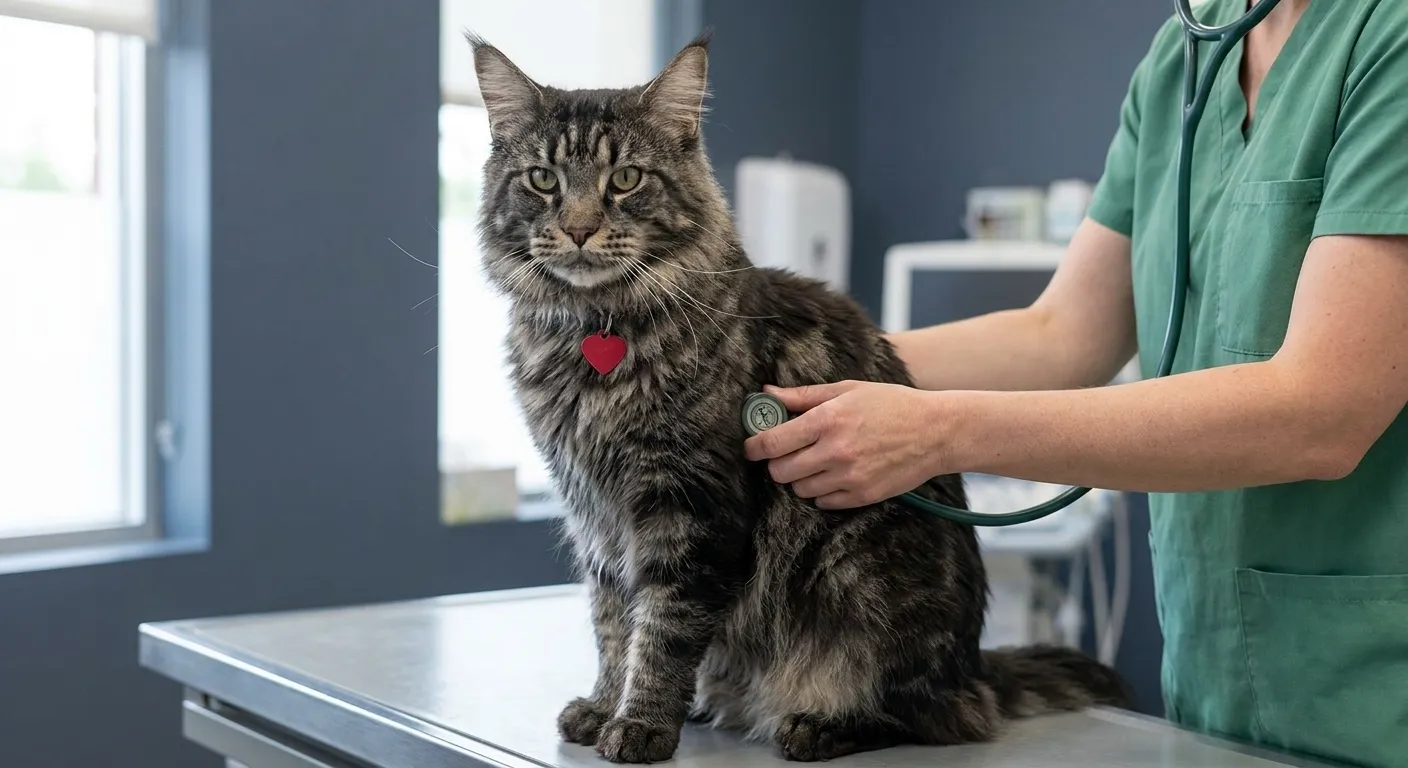
Annual or bi-annual veterinary examinations are fundamental for early detection of many conditions. During these visits, your vet can perform a thorough physical exam, discuss any changes in behavior or appetite, and recommend specific screenings based on your cat’s age and breed. For instance, early detection of heart murmurs can prompt further investigation for HCM. This proactive approach is a cornerstone of managing potential Maine Coon health problems.
Maintaining a Healthy Diet and Weight
Proper nutrition is essential for overall health and can significantly impact the severity of certain conditions. A balanced diet supports immune function, joint health, and cardiovascular well-being. Moreover, maintaining an ideal weight is crucial, particularly for preventing or managing hip dysplasia and reducing strain on the heart. Obesity can exacerbate many health issues. Therefore, consult your vet for dietary recommendations tailored to your Maine Coon’s specific needs. For more insights, explore our Comprehensive Guide to Maine Coon Kitten Diet.
Genetic Testing and Responsible Breeding
For prospective owners, choosing a reputable breeder who performs genetic testing for common inherited conditions like HCM, SMA, and PKD is paramount. This responsible practice helps reduce the incidence of these conditions in the breed. Similarly, for current owners, if you are considering breeding, genetic testing of your Maine Coon is a critical step to ensure healthy offspring. This prevents the perpetuation of genetic Maine Coon health problems.
Environmental Enrichment and Exercise
While not directly preventing genetic conditions, a stimulating environment and regular exercise contribute significantly to your Maine Coon’s overall health and well-being. Physical activity helps maintain a healthy weight, strengthens muscles, and supports joint health. Mental stimulation reduces stress and promotes a happy, well-adjusted cat. Consider providing ample space for play and exploration. You can find excellent ideas in our article on Exercise Space Large Cats Need for a Healthy Life.
Specific Health Concerns Beyond Genetics
Beyond the genetic predispositions, Maine Coons, like all cats, can face other health challenges. Awareness and proactive measures are key to addressing these as well.
Dental Disease
Dental health is often overlooked but profoundly impacts a cat’s overall well-being. Plaque and tartar buildup can lead to gingivitis, periodontal disease, and even systemic infections. Regular dental check-ups and at-home dental care, such as brushing, are vital. Furthermore, certain dental treats can also help. Neglecting dental hygiene can lead to significant discomfort and other health complications. For detailed guidance, read Beyond Bad Breath: Why Maine Coon Dental Hygiene Matters.
Urinary Tract Issues
Cats are susceptible to various urinary tract problems, including urinary tract infections (UTIs) and feline lower urinary tract disease (FLUTD). Symptoms can include frequent urination, straining, blood in the urine, or urinating outside the litter box. Encouraging adequate water intake through fountains or wet food can help promote urinary health. If you observe any of these signs, prompt veterinary attention is necessary.
Obesity
As large cats, Maine Coons can be particularly prone to obesity if their diet and exercise are not carefully managed. Excess weight puts strain on joints, heart, and other organs, increasing the risk of diabetes, arthritis, and other health issues. Therefore, monitoring food portions and providing opportunities for play are essential. Regular weight checks at home and during vet visits can help you stay on track. This is one of the more common, yet preventable, Maine Coon health problems.
Recognizing Symptoms and When to Seek Veterinary Care
Being attentive to your Maine Coon’s behavior and physical condition is critical. Subtle changes can often be the first indicators of a developing health issue. For example, a decrease in appetite, changes in litter box habits, lethargy, or unusual vocalizations warrant investigation. Any sudden lameness, difficulty breathing, or significant behavioral shifts should prompt an immediate call to your veterinarian.
Remember, cats are adept at hiding pain and illness. This instinctual behavior stems from their wild ancestors, who would hide weakness to avoid predators. Consequently, by the time symptoms become obvious, a condition might be more advanced. Therefore, a proactive owner observes their cat closely and trusts their instincts when something seems amiss. Do not hesitate to contact your vet with any concerns, however minor they may seem.
Preventative Measures for a Long and Healthy Life
Beyond addressing specific genetic conditions, a holistic approach to preventative care will significantly contribute to your Maine Coon’s longevity. This includes ensuring proper vaccinations, regular deworming, and effective flea and tick prevention. These routine measures protect your cat from common infectious diseases and parasites. Moreover, maintaining a clean living environment and providing fresh water daily are simple yet impactful steps. Regular grooming, as detailed in our guide on The Essential Maine Coon Grooming Routine, also offers opportunities to check for lumps, bumps, or skin issues.
Stress can also impact a cat’s immune system, making them more susceptible to illness. Providing a stable, enriching environment and understanding their behavioral needs can help mitigate stress. For instance, ensuring they have safe spaces, vertical territory, and consistent routines contributes to their emotional well-being. A happy cat is often a healthier cat. For more on overall wellness, consider exploring resources on Maine Coon Preventative Health: Essential Care for Longevity.
The Role of Nutrition in Preventing Health Issues
The right diet is a powerful tool in preventing and managing many feline conditions. High-quality protein, balanced fats, and essential vitamins and minerals are vital for a Maine Coon’s unique needs. Discussing your cat’s specific dietary requirements with your veterinarian is always recommended. They can help you select a food that supports their age, activity level, and any existing health concerns. For example, a diet rich in omega-3 fatty acids can support joint health and reduce inflammation, potentially easing symptoms of hip dysplasia. Furthermore, some specialized diets can help manage kidney disease or urinary tract issues. For more information on feline nutrition, you can consult reputable sources like the Cummings School of Veterinary Medicine at Tufts University.
Conclusion: Empowering Maine Coon Owners for Optimal Health
Understanding and proactively addressing Maine Coon health problems is a cornerstone of responsible pet ownership. By staying informed about breed-specific predispositions, maintaining regular veterinary care, providing a nutritious diet, and ensuring an enriching environment, you significantly enhance your beloved companion’s chances of a long and vibrant life. Remember, you are your Maine Coon’s strongest advocate. Your vigilance and dedication make all the difference in navigating potential health challenges. With the right knowledge and commitment, you can enjoy many happy years with your magnificent feline friend. We hope this guide empowers you to provide the best possible care for your gentle giant. For further reading on feline health, the Worms & Germs Blog from the University of Guelph offers valuable insights.
FAQ
What are the most common health concerns for Maine Coons?
The most prevalent health issues for Maine Coons include Hypertrophic Cardiomyopathy (HCM), Hip Dysplasia, Spinal Muscular Atrophy (SMA), and Polycystic Kidney Disease (PKD). These are often genetic conditions, making early screening and responsible breeding practices crucial for prevention and management.
How can I proactively prevent health issues in my Maine Coon?
Proactive prevention involves several key steps: regular veterinary check-ups, maintaining a healthy diet and weight, genetic testing if you’re breeding or acquiring a kitten, and providing environmental enrichment and exercise. These measures significantly contribute to their overall health and longevity.
What are the signs of heart disease in a Maine Coon?
Signs of heart disease, particularly HCM, can be subtle. They may include lethargy, decreased appetite, difficulty breathing, coughing, or sudden collapse. Regular cardiac screenings (echocardiograms) are recommended for early detection, especially for a large cat breed.
Is obesity a concern for this breed?
Yes, due to their large size, these cats can be prone to obesity if their diet and activity levels are not properly managed. Excess weight can exacerbate joint problems like hip dysplasia and strain the heart, making weight management an important aspect of their care.
How important is dental care for my Maine Coon’s health?
Dental care is extremely important. Poor dental hygiene can lead to painful dental disease, gum infections, and even systemic health problems affecting other organs. Regular veterinary dental checks and at-home brushing are vital for maintaining good oral health in your feline companion.