Bringing a new Maine Coon kitten into your family is an exciting milestone. These magnificent felines, known for their majestic appearance and gentle disposition, require specific care to ensure a smooth transition and a healthy, happy life. This guide focuses on welcoming Maine Coon kitten home and providing them with the foundational care they need from day one.
Preparing for Your New Arrival: Creating a Safe Haven
Before your little fluffball sets paw in your house, preparation is key. A well-prepared environment reduces stress for both you and your kitten. Start by designating a safe, quiet room where your kitten can acclimate. This ‘base camp’ should include their litter box, food and water bowls, a comfortable bed, and a few toys. Furthermore, ensure all potential hazards, such as toxic plants, exposed wires, and small ingestible items, are secured or removed. Consider investing in a tall scratching post, as Maine Coons love to stretch and scratch, a natural instinct that helps maintain their claws and mark territory. For instance, a cat tree with multiple levels can provide both scratching opportunities and elevated resting spots. It’s important to remember that these gentle giants grow quickly, so choose durable, appropriately sized items.
Creating a secure space for your new feline friend is paramount. Many new owners find it helpful to use a baby gate to keep the kitten confined to their designated room initially. This helps prevent them from getting lost or overwhelmed in a large house. Additionally, pheromone diffusers can help create a calming atmosphere, aiding in their adjustment. Remember to introduce new family members and existing pets gradually, always supervising interactions. Your patience during this initial period will greatly benefit your kitten’s long-term comfort and security.
Essential Kitten Care: Health and Hygiene Fundamentals
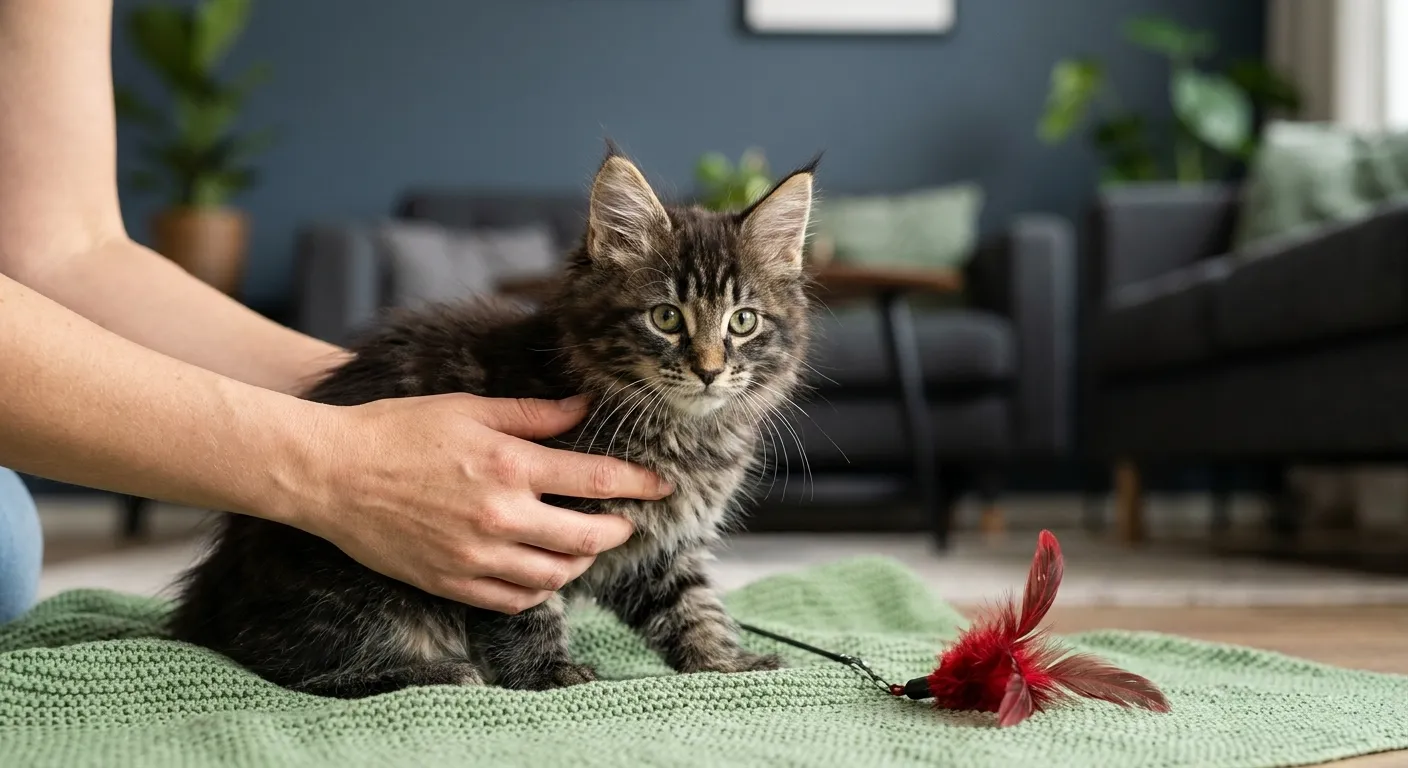
Proper care begins with understanding your kitten’s basic health needs. Schedule a veterinary check-up within the first few days of arrival. Your vet will confirm their health, discuss vaccination schedules, deworming, and flea prevention. Keep a close eye on their appetite, energy levels, and litter box habits; any significant changes warrant a call to your vet. For grooming, begin gentle brushing sessions early. Maine Coons have long, luxurious coats that can easily tangle. Regular brushing, even daily for a few minutes, helps prevent mats and strengthens your bond. Introduce nail trimming gradually and positively, using treats to make it a pleasant experience. For more detailed grooming advice, explore our guide on The Essential Maine Coon Grooming Routine: Keeping Their Coat Pristine.
Beyond routine check-ups, ongoing preventative health measures are vital. Discuss dental care with your vet, as oral hygiene is crucial for overall health. Early introduction to teeth brushing can prevent future issues. Moreover, consider microchipping your kitten during one of their vet visits; this provides an essential layer of security should they ever get lost. Staying informed about common feline ailments and understanding your kitten’s unique health profile will empower you as a responsible Maine Coon owner. For comprehensive information on maintaining your cat’s well-being, refer to our article on Maine Coon Preventative Health: Essential Care for Longevity.
Nutritional Foundations: Fueling Growth and Development
Nutrition plays a crucial role in a Maine Coon kitten’s development. Opt for high-quality kitten food specifically formulated for large breeds, if available, or a premium kitten formula that supports healthy growth. Look for ingredients lists where meat is the primary component. Feed small, frequent meals as advised by your breeder or vet. Always provide fresh, clean water in multiple locations. Understanding what to feed your Maine Coon kitten is paramount for their long-term health. Consider both wet and dry food options to provide varied textures and hydration. Many experts recommend a blend to offer the best of both worlds.
Maine Coon kittens have an extended growth period, often maturing slower than other breeds. Consequently, their nutritional needs are unique. Ensure the food you choose is appropriate for their age and supports bone and muscle development. Avoid foods with excessive fillers or artificial ingredients. Furthermore, consult your veterinarian about appropriate treat options and potential supplements, though a balanced diet typically provides all necessary nutrients. For an in-depth look at dietary needs, read A Comprehensive Guide to Maine Coon Kitten Diet: Nurturing Their Extended Growth.
Understanding Maine Coon Kitten Behavior
Maine Coons are known for their playful, intelligent, and often dog-like personalities. Your kitten will explore, play, and likely follow you around. Provide plenty of interactive toys to satisfy their predatory instincts and prevent boredom. Socialization is vital; gently expose them to various sights, sounds, and people to build confidence. Positive reinforcement training, such as clicker training, can be incredibly effective for teaching good manners and even tricks. Address any unwanted behaviors, like nipping, by redirecting their attention to an appropriate toy. This consistent approach helps them learn boundaries.
These large cats thrive on interaction and mental stimulation. Therefore, dedicating time each day for play sessions is essential. Puzzle feeders can also engage their minds, making mealtime an activity. Observe your kitten’s body language to understand their moods and needs. A flicking tail or flattened ears, for example, might indicate irritation. Understanding these cues will help you foster a stronger bond. For more ideas on keeping your feline friend entertained, check out 7 Engaging Play Ideas for Your Maine Coon Cat.
Setting Up Your Kitten’s Environment: More Than Just Basics
When welcoming a Maine Coon kitten home, think beyond the immediate necessities. These cats appreciate vertical space, so consider cat trees or shelves they can climb and observe their surroundings from. Multiple litter boxes are often recommended, especially in multi-cat households or larger homes; a general rule is one per cat plus one extra. Ensure litter boxes are kept impeccably clean to encourage good habits. Additionally, invest in high-quality food and water bowls, preferably stainless steel or ceramic, to prevent bacterial buildup.
Consider the placement of these items. Food and water bowls should be away from the litter box. Similarly, scratching posts should be placed in prominent areas where your kitten naturally stretches or would otherwise scratch furniture. Providing a variety of scratching surfaces, such as sisal, cardboard, and carpeted posts, can cater to their preferences. A comfortable bed in a quiet corner will offer a retreat when they need rest. This thoughtful setup contributes significantly to successful acclimation.
Socialization and Bonding: Building a Strong Relationship
The first few weeks after welcoming Maine Coon kitten home are crucial for socialization. Gently handle your kitten regularly, familiarizing them with being touched and groomed. Introduce them to various household sounds, like the vacuum cleaner or doorbell, in a controlled manner. Positive experiences during this period will help them grow into well-adjusted, confident adults. Encourage gentle play with family members, using wand toys rather than hands to prevent play aggression.
If you have other pets, especially other cats or dogs, introduce them slowly and under supervision. Scent swapping before direct interaction can ease the process. For instance, allow them to smell each other’s bedding. Reward calm behavior with treats and praise. Building a strong bond with your Maine Coon involves consistent positive interactions, patience, and understanding their unique personality. Remember, every kitten is an individual, and some may take longer to adjust than others.
Training and Discipline: Guiding Good Behavior
Training your Maine Coon kitten should be approached with positive reinforcement. These intelligent cats respond well to rewards-based methods. Teach them basic commands like ‘come’ or ‘sit’ using treats and praise. Litter box training is usually straightforward, as cats are naturally inclined to use a litter box; however, ensure the box is easily accessible and clean. If accidents occur, clean them thoroughly with an enzymatic cleaner to eliminate odors that might attract them back to the same spot.
Addressing unwanted behaviors requires consistency. For instance, if your kitten nips during play, immediately stop playing and walk away. This teaches them that rough play ends the fun. Similarly, redirect scratching from furniture to a scratching post. Never use punishment, as it can damage your bond and lead to fear or aggression. Instead, focus on rewarding desired behaviors. For insights into managing challenging behaviors, you might find our article on Fear Based Aggression Cats Owners Should Understand helpful.
Long-Term Commitment: Ensuring a Lifetime of Happiness
Welcoming a Maine Coon kitten home is a commitment for their entire lifespan, which can often exceed 12-15 years. This involves ongoing veterinary care, a consistent high-quality diet, regular grooming, and plenty of mental and physical stimulation. As they grow, their needs will evolve. For example, their exercise requirements might change, and their diet may need adjustment to maintain a healthy weight. Owners should be prepared for the financial and time investment required for these large, long-haired companions.
Continue to monitor their health, behavior, and weight throughout their lives. Regular vet check-ups become even more important as they age to catch any potential health issues early. Providing a stimulating environment prevents boredom and related behavioral problems. A well-cared-for Maine Coon will bring immense joy and companionship to your family for many years. Ensure you are ready for this long-term dedication when you are welcoming Maine Coon kitten home.
Conclusion
Welcoming Maine Coon kitten home marks the beginning of a wonderful journey. By carefully preparing their environment, understanding their unique health and nutritional needs, and committing to their socialization and ongoing care, you lay the groundwork for a happy, healthy, and well-adjusted companion. These gentle giants offer incredible affection and personality, making the effort truly worthwhile. With this comprehensive guide, new owners are well-equipped to provide the best possible start for their beloved Maine Coon kitten.
FAQ
What should I prepare before bringing my new Maine Coon kitten home?
Before your kitten arrives, set up a ‘base camp’ room with a litter box, food and water bowls, a comfortable bed, and toys. Ensure the area is kitten-proofed by removing hazards like toxic plants and exposed wires. Consider a tall scratching post and vertical spaces for climbing. A safe and quiet environment helps them acclimate smoothly.
How often should I groom my Maine Coon kitten’s long coat?
Maine Coon kittens have long, luxurious coats that require regular grooming. Daily brushing for a few minutes is ideal to prevent mats and tangles. This routine also strengthens your bond and gets them accustomed to grooming from a young age. Introduce nail trimming gradually to make it a positive experience.
What kind of food is best for a growing Maine Coon kitten?
Opt for high-quality kitten food, ideally formulated for large breeds, that supports healthy growth. Look for formulas where meat is the primary ingredient. Maine Coons have an extended growth phase, so their diet is crucial. Feed small, frequent meals and always provide fresh, clean water. Consult your vet for specific dietary recommendations.
How can I help my Maine Coon kitten socialize with other pets?
Introduce your Maine Coon kitten to other pets slowly and under close supervision. Begin with scent swapping by exchanging bedding or toys. Allow them to see each other through a barrier before direct interaction. Reward calm and positive interactions with treats and praise. Patience is key to successful multi-pet integration.
What are some common behavioral traits of Maine Coon kittens?
Maine Coon kittens are known for being playful, intelligent, and often exhibit dog-like behaviors, such as following their owners around. They enjoy interactive play and mental stimulation. Providing plenty of toys and engaging in regular play sessions will satisfy their natural instincts. Early socialization helps them develop into confident and well-adjusted adults.