As our beloved Maine Coons reach their golden years, typically around 10-12 years of age, their needs evolve significantly. Providing exceptional senior Maine Coon care is vital to ensure their comfort, health, and happiness during this special stage of life. Recognizing the subtle signs of aging and adapting their environment and routine can make a significant difference in their quality of life. Indeed, a proactive approach helps maintain their dignity and well-being.
Understanding Age-Related Changes in Maine Coons
Senior Maine Coons may experience various age-related changes. For example, these can include a decrease in activity levels, changes in appetite or thirst, joint stiffness, reduced senses (sight, hearing), and potential cognitive decline. Regular veterinary check-ups become even more crucial during this period. Your vet can monitor for common senior health issues such as kidney disease, thyroid imbalances, arthritis, and dental problems. Early detection and intervention are key to managing these conditions effectively and extending your cat’s comfortable years. Moreover, understanding these changes helps you provide tailored support.
Recognizing the Signs of Aging
Observing your Maine Coon closely for subtle shifts in behavior or physical condition is paramount. For instance, a senior cat might sleep more, play less, or show reluctance to jump onto high surfaces. Changes in vocalization or litter box habits can also signal an underlying issue. Sometimes, a previously outgoing cat may become more withdrawn. Conversely, some senior cats might display increased clinginess. Therefore, paying attention to these cues allows for timely veterinary consultation and appropriate adjustments to their care routine. This vigilance forms a cornerstone of excellent care for aging felines.
Common Health Concerns in Older Maine Coons
Several health conditions are more prevalent in older Maine Coons. Arthritis, for example, is a common culprit behind reduced mobility and discomfort. Kidney disease and hyperthyroidism are also frequent diagnoses in senior cats, both requiring careful management. Furthermore, dental issues can become more pronounced, leading to pain and difficulty eating. Regular veterinary examinations, including blood work and urine analysis, are essential for early detection. You can learn more about preventing issues by reviewing our guide on Maine Coon Preventative Health: Essential Care for Longevity. Early diagnosis allows for more effective treatment and better outcomes for your cherished companion.
Tailoring Their Environment and Diet for Optimal Senior Maine Coon Care
To support your senior Maine Coon, make their environment more accessible. Provide ramps or steps to help them reach elevated favorite spots, such as a sunny windowsill or a cozy perch. Ensure litter boxes have lower sides for easier entry and exit, preventing painful straining on stiff joints. Offer extra soft bedding in quiet, warm areas for joint comfort and undisturbed rest. Keep their routine consistent to minimize stress, as older cats often find change more unsettling. In addition, consider nightlights for cats with reduced vision to help them navigate safely after dark. These thoughtful adaptations significantly enhance their quality of life.
Nutritional Adjustments for Aging Felines
Nutritionally, senior Maine Coon care often involves dietary adjustments. Your veterinarian might recommend a senior-specific diet that is lower in calories to prevent weight gain, easier to digest, and fortified with supplements like glucosamine for joint health and omega-3 fatty acids for skin and coat. Hydration is also paramount; consider adding wet food or providing a water fountain to encourage drinking. Many older cats benefit from smaller, more frequent meals to aid digestion. Discussing your cat’s specific dietary needs with your vet is crucial, especially if they have underlying health conditions. For more on managing weight, refer to our Maine Coon Weight Management Tips: A Comprehensive Guide.
Creating a Comfortable and Safe Living Space
An aging Maine Coon benefits immensely from a thoughtfully adapted home environment. Soft, orthopedic beds can alleviate pressure on aching joints. Placing food and water bowls in easily accessible locations, perhaps on the ground floor if they usually go upstairs, helps prevent unnecessary strain. Furthermore, maintaining a consistent room temperature is important, as older cats can be more sensitive to cold. Ensure their favorite resting spots are draft-free and warm. Providing multiple litter boxes, especially in multi-level homes, makes it easier for them to relieve themselves without rushing. These simple changes contribute greatly to their daily comfort and independence.
Maintaining Mental and Physical Well-being
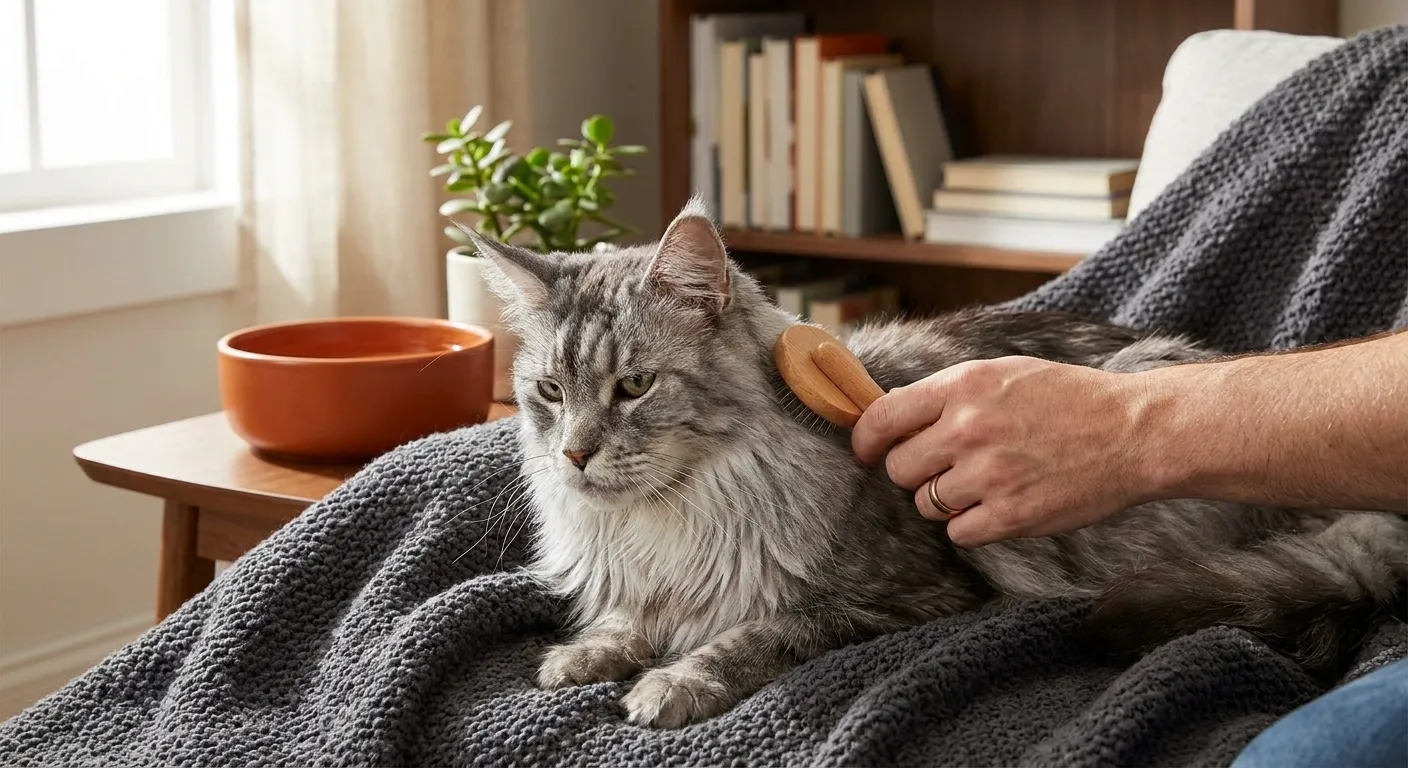
Even in their senior years, Maine Coons benefit from mental stimulation and gentle physical activity. While their play sessions might be shorter and less intense, engaging them with puzzle feeders or interactive toys can keep their minds sharp. Gentle brushing not only helps maintain their long coat but also provides a comforting massage and allows you to check for any new lumps or bumps. Regular, gentle exercise, such as short walks on a leash if they are accustomed to it, or encouraging them to move around the house, helps maintain muscle tone and joint flexibility. However, always respect their limitations and avoid pushing them too hard. For inspiration, see our 7 Engaging Play Ideas for Your Maine Coon Cat.
The Importance of Regular Grooming
Grooming becomes particularly important for senior Maine Coon care. As cats age, they may become less flexible and less able to groom themselves effectively, leading to mats and skin issues. Daily gentle brushing helps prevent tangles, removes loose fur, and stimulates circulation. It also provides an opportunity to bond and check for any skin irritations, parasites, or new growths. Additionally, regular nail trims are essential, as older cats might not wear down their claws as actively. Overgrown nails can become painful and impede walking. Our guide on The Essential Maine Coon Grooming Routine: Keeping Their Coat Pristine offers further tips. Make grooming a positive, calm experience for your senior cat.
Encouraging Gentle Activity and Mental Engagement
While a senior Maine Coon’s energy levels decrease, maintaining some form of activity is crucial for their physical and mental health. Instead of vigorous play, focus on gentle interactions. Use feather wands or laser pointers for short, low-impact play sessions. Puzzle feeders can provide mental stimulation while also encouraging slower eating. Simply spending quality time with your cat, offering gentle petting, and talking to them can also keep their minds engaged. Furthermore, rotating toys can prevent boredom. These activities are vital for sustaining a good quality of life during their later years. Prioritizing their engagement ensures comprehensive senior Maine Coon care.
Addressing Specific Health Aspects in Senior Maine Coons
As Maine Coons age, certain health aspects require closer attention. Dental health, for instance, is often overlooked but can significantly impact overall well-being. Older cats are prone to dental disease, which can cause pain, difficulty eating, and even lead to systemic infections. Regular professional dental cleanings, as recommended by your vet, are crucial. Moreover, monitoring for changes in litter box habits is important, as this can indicate kidney problems or urinary tract infections. Providing easy access to clean litter boxes can also prevent accidents. Furthermore, managing pain from conditions like arthritis is vital for their comfort. Your veterinarian can prescribe appropriate pain relief or recommend supplements. You can find more detailed information regarding dental health in our article, Beyond Bad Breath: Why Maine Coon Dental Hygiene Matters. Effective senior Maine Coon care involves a holistic approach to these concerns.
The Role of Regular Veterinary Check-ups
Regular veterinary check-ups become even more indispensable for senior Maine Coons. These visits allow your vet to perform comprehensive physical examinations, monitor vital signs, and conduct diagnostic tests such as blood work and urinalysis. Early detection of conditions like kidney disease, diabetes, or hyperthyroidism can lead to more effective management and improved prognosis. Your vet can also assess your cat’s pain levels and recommend appropriate pain management strategies for arthritis or other chronic conditions. Consequently, establishing a strong partnership with your veterinarian is key to providing the best possible senior Maine Coon care. Regular check-ups are truly the cornerstone of their health in later life.
Managing Chronic Conditions and Pain
Many senior Maine Coons will develop chronic conditions that require ongoing management. Arthritis, for example, is very common. Your veterinarian might suggest a combination of medications, supplements, and environmental modifications to manage joint pain. Kidney disease often requires a special diet and sometimes subcutaneous fluids. Hyperthyroidism is typically treated with medication, radioactive iodine therapy, or surgery. The goal is always to manage symptoms, slow disease progression, and maintain the cat’s quality of life. Open communication with your vet about your cat’s symptoms and response to treatment is essential for effective chronic disease management. This continuous effort defines dedicated care for aging felines.
The Emotional Landscape of Senior Maine Coons
Beyond physical health, the emotional well-being of a senior Maine Coon is equally important. Older cats can experience anxiety, confusion, or changes in their social interactions. Providing a calm, predictable environment helps reduce stress. Spending quiet quality time with your cat, offering gentle petting, and maintaining familiar routines can provide comfort and reassurance. Some senior cats may become more vocal or develop new behavioral quirks. Understanding that these changes can be part of the aging process, rather than intentional misbehavior, helps you respond with patience and empathy. Furthermore, ensuring they have safe, secluded spots where they can retreat for peace and quiet is beneficial. This holistic approach to senior Maine Coon care includes nurturing their emotional needs.
Supporting Cognitive Function
Cognitive dysfunction syndrome (CDS) is a recognized condition in aging cats, similar to dementia in humans. Signs can include disorientation, changes in sleep-wake cycles, altered social interactions, and house soiling. While there’s no cure, certain strategies can help. Maintaining a consistent routine, providing mental stimulation through puzzle toys, and ensuring easy access to resources can be beneficial. Some veterinarians may suggest dietary supplements or prescription diets formulated to support brain health. If you suspect your cat is experiencing cognitive decline, consult your vet to rule out other medical conditions and discuss potential management options. This aspect of senior Maine Coon care is increasingly recognized as vital.
The Power of Your Presence and Affection
The bond you share with your Maine Coon deepens with age. Your presence, gentle touch, and consistent affection provide immense comfort and security to your senior cat. Simply sitting quietly with them, offering a warm lap, or engaging in soft conversation can significantly reduce their stress and enhance their emotional well-being. Older cats may not be as playful, but they still cherish connection. Continue to show them love and patience, adapting your interactions to their changing needs. Your unwavering devotion is one of the most powerful tools in ensuring they feel cherished and secure throughout their golden years. This emotional support is a cornerstone of comprehensive care for aging felines.
Conclusion: Embracing the Journey with Your Senior Maine Coon
Caring for a senior Maine Coon is a testament to the enduring bond you share. By being observant, proactive with vet care, and making thoughtful adjustments to their daily life, you can help your gentle giant enjoy their twilight years with dignity and comfort. Their golden years can be incredibly rewarding, filled with quiet companionship and profound affection. Remember, every day spent with your aging companion is a precious gift. With dedicated senior Maine Coon care, you can ensure these years are as joyful and comfortable as possible. For more information on cat health, you might find resources from the Cornell Feline Health Center to be very helpful. Additionally, the ASPCA offers valuable insights into senior pet care. Embrace this special chapter with love and commitment, providing the best possible support for your beloved feline friend.
FAQ
How often should a senior Maine Coon visit the vet?
Typically, senior Maine Coons, usually those over 10 years old, should have veterinary check-ups at least twice a year. These more frequent visits allow for early detection and management of age-related health issues, ensuring their continued well-being.
What are good ways to keep an older Maine Coon active?
Gentle play sessions with feather wands or laser pointers, puzzle feeders for mental stimulation, and short, supervised walks on a leash (if accustomed) are excellent ways to keep an older Maine Coon active without overexertion. Always respect their energy levels.
Should I change my senior Maine Coon’s diet?
Yes, dietary changes are often recommended for aging Maine Coons. A senior-specific diet, lower in calories, easier to digest, and fortified with joint and skin supplements, can be beneficial. Always consult your veterinarian before making significant changes to their diet.
How can I make my home more comfortable for an aging feline?
To enhance comfort for an aging feline, provide soft, orthopedic beds, ensure litter boxes have low sides, offer ramps or steps to favorite high spots, and maintain a consistent, warm environment. These adjustments help ease joint pain and improve accessibility.
What are common signs of cognitive decline in older Maine Coons?
Common signs of cognitive decline in older Maine Coons include disorientation, changes in sleep patterns, altered social interactions, increased vocalization, and forgetting litter box training. If you observe these symptoms, a veterinary consultation is recommended.
Is it normal for senior Maine Coons to sleep more?
Yes, it is quite normal for senior Maine Coons to sleep more than younger cats. They often have less energy and require more rest. However, a sudden or excessive increase in sleep should be discussed with your veterinarian to rule out underlying health issues.