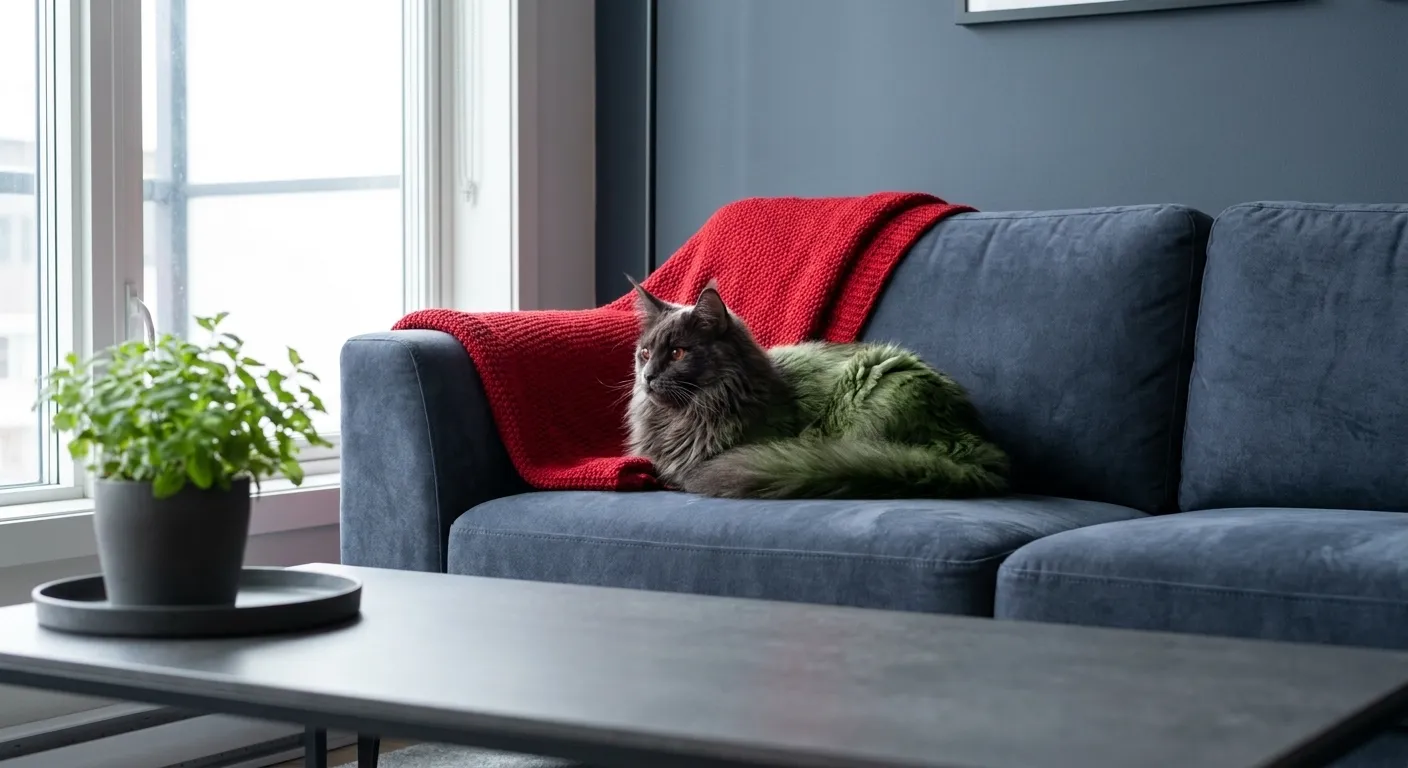
The majestic Maine Coon is known for its large size and often playful energy, leading many to wonder if they can truly thrive in a smaller living space like an apartment. The good news is that with thoughtful planning and enrichment, an apartment living Maine Coon can be a highly successful and fulfilling experience for both cat and owner. These ‘gentle giants’ are adaptable and often content to be near their human companions, regardless of square footage. In fact, their affectionate nature often makes them ideal indoor companions.
Understanding Your Maine Coon’s Needs in a Compact Home
While Maine Coons are large, they are not necessarily high-energy cats in the same way some smaller breeds might be. Instead, they often enjoy periods of active play followed by long naps. Therefore, understanding their specific needs is crucial for successful urban dwelling. Consider their natural instincts: they love to climb, observe, and engage with their environment. Providing outlets for these behaviors is key to preventing boredom and potential behavioral issues in a smaller footprint.
Furthermore, their social nature means they genuinely appreciate interaction with their human family. This can be a significant advantage in an apartment, as it fosters a strong bond. Consequently, dedicating time for daily play and cuddles is just as important as providing physical amenities. A well-adjusted feline is a happy feline, regardless of the square footage they inhabit.
Maximizing Vertical Space and Mental Stimulation
One of the most effective strategies for apartment living Maine Coon is to maximize vertical space. Investing in tall cat trees, wall-mounted shelves, and window perches provides opportunities for climbing, observing, and lounging, effectively expanding their territory upwards. These structures satisfy their natural desire to be high up, offering safe vantage points from which to survey their domain. Moreover, vertical spaces can reduce stress by giving them escape routes or quiet zones away from floor-level activity.
Mental stimulation is equally important for a contented Maine Coon. Engage your cat with interactive toys that mimic prey, puzzle feeders that require problem-solving, and regular play sessions that tap into their hunting instincts. Rotating toys keeps their interest piqued and prevents boredom, which can lead to undesirable behaviors in confined spaces. For instance, a laser pointer can provide excellent exercise, but always end with a tangible toy to satisfy their hunting drive. You can find more engaging play ideas for your Maine Coon cat on our site.
Creating Cozy Retreats and Managing Grooming
Even in a small apartment, every Maine Coon needs a quiet, personal retreat where they can feel secure and undisturbed. This could be a cozy bed in a low-traffic area, a covered cat cave, or a high perch away from household activity. Providing these safe havens is vital for their sense of security and well-being. Additionally, ensure their litter box is kept impeccably clean. Consider an odor-controlling litter or an enclosed box to maintain freshness in a smaller environment. Placement is also important; ideally, the litter box should be in a private, easily accessible spot.
Given their long, luxurious coats, consistent grooming is essential, especially in an apartment where shedding might be more noticeable. Regular brushing helps prevent matting and reduces loose fur around your home. This routine also provides a wonderful bonding opportunity. For a detailed guide, refer to The Essential Maine Coon Grooming Routine: Keeping Their Coat Pristine. Proper grooming contributes significantly to their overall health and comfort, particularly for a large cat in a smaller space.
Ensuring Ample Exercise and Preventing Weight Gain
While an apartment living Maine Coon might have less room to roam, ensuring they get sufficient exercise is paramount to their health. Regular, vigorous play sessions are crucial for burning calories and maintaining muscle tone. Interactive toys, chasing games, and even short walks on a leash (if your cat is amenable) can contribute to their daily activity levels. Obesity is a significant health concern for cats, and it can be exacerbated in environments with limited space. Therefore, a proactive approach to exercise is vital.
Furthermore, managing their diet alongside their activity level is essential. Portion control and high-quality nutrition will help prevent excessive weight gain. For comprehensive advice on keeping your feline fit, explore our resources on Maine Coon Weight Management Tips: A Comprehensive Guide. A healthy weight directly impacts their mobility and overall quality of life, especially when space is at a premium. An active cat is a happy cat, even in an apartment setting.
Addressing Potential Behavioral Challenges
Confined spaces can sometimes amplify certain behavioral tendencies if a cat’s needs aren’t met. For instance, a lack of stimulation can lead to destructive scratching, excessive vocalization, or even aggression. By providing ample enrichment, regular play, and secure retreats, many of these issues can be mitigated. If your Maine Coon exhibits signs of stress or anxiety, it’s important to address them promptly. Sometimes, changes in routine or environment can trigger these behaviors. Understanding feline body language is key to early intervention.
Moreover, ensuring your Maine Coon has sufficient resources, such as multiple feeding stations or litter boxes if you have more than one cat, can prevent territorial disputes. Even a single cat benefits from a sense of abundance. For persistent behavioral issues, consulting with a feline behaviorist can provide tailored strategies. Remember, a calm and enriched environment fosters a well-adjusted cat, making apartment living Maine Coon a peaceful experience for everyone.
The Importance of Routine and Socialization
Cats, including Maine Coons, thrive on routine. Establishing a consistent schedule for feeding, play, and grooming provides a sense of security and predictability, which is particularly beneficial in an apartment setting. This predictability can reduce anxiety and help your cat feel more at ease in their environment. A regular routine also helps you identify any changes in their behavior or health more readily. For example, a sudden loss of appetite or lethargy is more noticeable when you know their typical patterns.
Socialization, even for an indoor-only cat, is important. While they may not encounter other animals frequently, positive interactions with different people can make them more adaptable. Introducing new experiences gradually, such as a new toy or a different type of treat, can also keep their minds sharp and reduce their susceptibility to stress from novelty. A well-socialized apartment living Maine Coon is generally more relaxed and tolerant of changes within their home.
Ensuring a Clean and Safe Environment
Maintaining a clean and safe environment is crucial for any cat owner, but it takes on added importance in an apartment where space is limited. Regular vacuuming, especially with a Maine Coon, is essential to manage shedding and keep allergens at bay. Furthermore, ensure all household cleaners, medications, and toxic plants are out of paw’s reach. Cats are naturally curious, and in a smaller space, they might be more inclined to investigate every nook and cranny. Pet-proofing your apartment is a continuous process.
Consider the types of materials your cat interacts with daily. Are their beds and toys washable? Is their litter box made of non-toxic materials? Prioritizing health and safety helps prevent accidents and illnesses. Moreover, good ventilation can significantly improve air quality, which benefits both you and your cat. For more information on general feline health, you might find our article on Maine Coon Preventative Health: Essential Care for Longevity helpful.
Considering the Maine Coon’s Temperament
Maine Coons are often described as