Many cat owners notice bad breath and assume it’s just ‘cat breath’. However, often, it’s a significant indicator of underlying oral health issues. For Maine Coons, whose overall health is paramount, prioritizing Maine Coon dental hygiene is not just about fresh breath; it’s about preventing serious health problems that can affect their entire body. Dental disease is one of the most common health problems in cats, often overlooked until it reaches an advanced stage. Understanding its importance can significantly improve your gentle giant’s quality of life and longevity. Therefore, proactive care is essential.
The Silent Threat: Common Maine Coon Dental Issues
Maine Coons, like other cat breeds, are susceptible to a range of dental problems. The most prevalent is periodontal disease, caused by plaque buildup that hardens into tartar. This leads to gum inflammation (gingivitis) and, if untreated, can progress to irreversible damage to the supporting structures of the teeth. Consequently, pain, tooth loss, and even systemic infections can occur. Other issues include feline odontoclastic resorptive lesions (FORLs), painful lesions that erode tooth structure, and fractured teeth. These conditions are not just uncomfortable; bacteria from dental infections can travel through the bloodstream, impacting vital organs like the heart, kidneys, and liver. Therefore, maintaining robust Maine Coon dental hygiene is a preventative measure against a cascade of health complications.
Periodontal disease starts subtly. Initially, a soft film of bacteria, called plaque, forms on the teeth. If not removed, this plaque mixes with minerals in saliva and hardens into tartar (calculus). Tartar adheres strongly to the tooth surface and provides a rough surface for more plaque to accumulate. This accumulation irritates the gums, leading to gingivitis, characterized by red, swollen, and sometimes bleeding gums. In fact, gingivitis is reversible with professional cleaning and good home care. Nevertheless, if left unchecked, gingivitis progresses to periodontitis. This involves the destruction of the tissues supporting the teeth, including the bone. Pockets form between the teeth and gums, harboring more bacteria. Ultimately, this can lead to loose teeth and tooth loss. Moreover, the chronic inflammation and bacterial load in the mouth can negatively impact your Maine Coon’s overall health.
Understanding the Broader Impact of Poor Oral Health
The mouth is often considered a mirror of overall health. Poor oral health in Maine Coons can have far-reaching consequences beyond just the mouth. As mentioned, bacteria from dental infections can enter the bloodstream. This bacteremia can then affect distant organs. For instance, studies have shown a link between periodontal disease and heart conditions, kidney disease, and liver issues in cats. Chronic pain from dental problems can also impact your Maine Coon’s behavior and quality of life. They might become less playful, eat less, or show signs of irritability. Recognizing these subtle changes is crucial. Furthermore, maintaining excellent Maine Coon dental hygiene helps prevent these systemic issues, thereby supporting your cat’s health from nose to tail. Many owners don’t realize the extent of this connection. Hence, regular veterinary check-ups are truly invaluable.
Practical Steps for Optimal Maine Coon Dental Hygiene
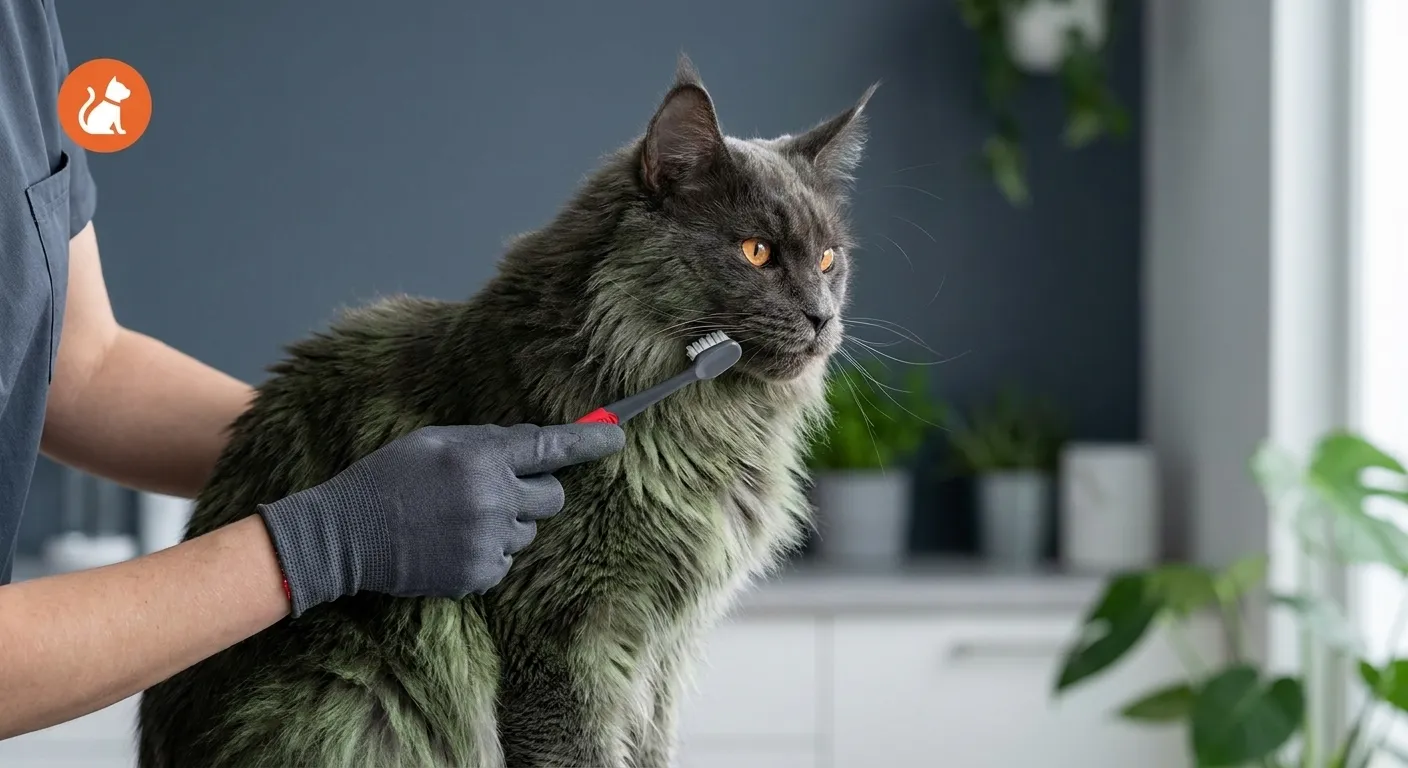
The good news is that many dental problems are preventable with consistent care. The gold standard for Maine Coon dental hygiene is regular tooth brushing. Introduce it slowly using a cat-specific toothbrush and enzymatic toothpaste (never human toothpaste). Aim for daily brushing if possible, or at least a few times a week. Starting this routine when your Maine Coon is a kitten makes it much easier to establish. Furthermore, positive reinforcement, such as praise and treats, can help your cat associate brushing with a pleasant experience. Gradually increase the duration and coverage of brushing. Focus on the outer surfaces of the teeth, especially the back molars, where plaque tends to accumulate most.
Beyond brushing, consider dental treats and water additives approved by veterinary dental health organizations. These products can help reduce plaque and tartar. Look for the Veterinary Oral Health Council (VOHC) seal of acceptance on these products, as this indicates they meet specific standards for effectiveness. Dental diets are another option; their unique kibble design helps scrub teeth as your cat chews. However, these are supplementary and do not replace brushing. Moreover, never give your Maine Coon hard bones or toys that could fracture their teeth. Always consult your veterinarian before introducing any new dental product or diet.
Regular veterinary check-ups are also crucial. Your vet can assess your cat’s oral health, recommend professional dental cleanings under anesthesia when necessary, and identify issues before they become severe. A professional dental cleaning involves scaling above and below the gum line to remove plaque and tartar, polishing the teeth, and often dental X-rays to check for problems below the gum line. This procedure is performed under anesthesia to ensure your cat’s safety and comfort, allowing for a thorough examination and cleaning. Your veterinarian will discuss the benefits and risks of anesthesia with you. In fact, regular professional cleanings are a cornerstone of effective Maine Coon dental hygiene, especially for older cats or those with a history of dental problems.
Diet and Nutrition’s Role in Oral Health
While brushing is paramount, your Maine Coon’s diet also plays a role in their oral health. Some cat foods are specifically formulated to help reduce plaque and tartar buildup. These dental diets often have larger, uniquely shaped kibble that provides an abrasive action on the tooth surface as the cat chews. This mechanical action can help scrape away some plaque. However, it’s important to remember that even dental diets are not a substitute for regular brushing and professional cleanings. They can be a helpful addition to a comprehensive oral care routine. Furthermore, ensuring your Maine Coon receives a balanced diet supports their overall health, including strong teeth and gums. Discuss specific dietary recommendations with your veterinarian, especially if your cat has existing dental issues or other health concerns. Proper nutrition is a foundational element for optimal Maine Coon dental hygiene.
Recognizing the Signs of Dental Disease in Your Maine Coon
It’s important for every Maine Coon owner to be able to recognize the signs of dental disease. Early detection can prevent more severe problems. Common indicators include bad breath (halitosis), which is often the first sign owners notice. Other signs include redness or swelling of the gums, visible tartar accumulation on the teeth, and drooling. Your cat might also show reluctance to eat, especially hard food, or drop food from their mouth. Painful teeth can lead to changes in chewing patterns, such as chewing on only one side of the mouth. You might also notice pawing at the mouth or rubbing their face. Furthermore, some cats become withdrawn or irritable due to chronic dental pain. If you observe any of these symptoms, it’s vital to schedule a veterinary examination promptly. Early intervention can make a significant difference in managing dental health problems and preserving Maine Coon dental hygiene. Don’t wait for advanced symptoms to appear.
The Long-Term Benefits of Excellent Maine Coon Dental Hygiene
By being proactive with your Maine Coon’s dental care, you are investing in their long-term health and comfort. Healthy teeth and gums mean they can eat comfortably, enjoy their lives without chronic pain, and avoid many of the serious systemic illnesses linked to poor oral health. A healthy mouth contributes to a healthy body. Moreover, regular dental care can extend your gentle giant’s lifespan and significantly improve their quality of life. Imagine your Maine Coon enjoying their favorite meals and playing without discomfort. This is the reality that consistent Maine Coon dental hygiene can provide. Make dental hygiene a priority for your beloved gentle giant. Their well-being depends on it. For more detailed information, consult resources like the American Veterinary Dental College or the Veterinary Oral Health Council.
FAQ: Frequently Asked Questions About Maine Coon Oral Health
How often should I brush my Maine Coon’s teeth?
Ideally, you should aim to brush your Maine Coon’s teeth daily. If daily brushing isn’t feasible, try to brush at least a few times a week. Consistency is more important than infrequent, intense sessions. Start slowly to get your cat accustomed to the process.
What kind of toothpaste should I use for my cat?
Always use a cat-specific enzymatic toothpaste. These toothpastes are formulated to be safe for cats to swallow and often contain enzymes that help break down plaque. Never use human toothpaste, as it contains ingredients like fluoride that are toxic to cats.
Are dental treats effective for feline oral care?
Dental treats can be a helpful supplement to brushing, but they are not a substitute for it. Look for dental treats that carry the VOHC (Veterinary Oral Health Council) seal of acceptance, as these have been proven to reduce plaque and/or tartar. They can contribute positively to your cat’s oral care routine.
When should my Maine Coon have a professional dental cleaning?
The frequency of professional dental cleanings varies depending on your individual cat’s needs, age, and existing oral health. Your veterinarian will assess your Maine Coon’s oral health during annual check-ups and recommend a professional cleaning under anesthesia when necessary. Some cats may need them annually, while others less frequently.
What are the signs that my Maine Coon might have a dental problem?
Watch for signs like bad breath, red or swollen gums, difficulty eating, drooling, pawing at the mouth, or changes in behavior. If you notice any of these symptoms, it’s important to schedule an appointment with your veterinarian for a thorough oral examination. Early detection is key to effective treatment.
Explore more: More from MaineCoonCatsGuide