The pet care industry increasingly focuses on health and wellness. Pet insurance enrollments are rising, and search interest for ‘pet health supplements’ has seen a major surge. As pet owners, we view our animals as full-fledged family members. We commit to their long-term well-being. For owners of the magnificent Maine Coon, understanding Maine Coon preventative health is not just beneficial; it’s essential. These gentle giants have unique needs due to their size, slow maturation, and genetic predispositions. At MaineCoonCatsGuide, we believe proactive care is the cornerstone of a long, vibrant life for your cherished companion.
The Pillars of Maine Coon Preventative Health
Preventative healthcare for Maine Coons encompasses a holistic approach. It integrates regular veterinary oversight, tailored nutrition, and a stimulating environment. This integrated strategy helps mitigate risks and catch potential issues early. Furthermore, it ensures your cat remains happy and active.
Comprehensive Veterinary Care
Regular veterinary check-ups are non-negotiable for Maine Coons. Annual wellness exams allow your vet to monitor their overall health. They assess body condition, perform necessary vaccinations, and conduct routine screenings. Early detection of common Maine Coon health concerns, like hypertrophic cardiomyopathy (HCM) or hip dysplasia, can significantly impact treatment outcomes and quality of life. Therefore, do not wait for symptoms to appear. Preventative visits are key to identifying issues before they become serious. For more information on common feline health issues, consider visiting the AVMA website.
Tailored Nutritional Strategies
Nutrition plays a vital role in preventing health issues. Maine Coons require a high-quality, protein-rich diet to support their large frame and muscular build. High-quality animal proteins should be a significant component of their meals, supporting muscle maintenance and overall energy. Beyond protein, omega-3 and omega-6 fatty acids are crucial for maintaining their luxurious coat and healthy skin, preventing dryness and irritation. Aligning with the premiumization trend, many owners opt for cleaner, more transparent ingredients. These include freeze-dried options, raw blends, or high-quality kibble from pioneering brands like Royal Canin and Hill’s Science Diet. Always ensure fresh water is available, as proper hydration supports kidney function and overall health. Indeed, adequate hydration is fundamental.
Essential Supplements for Maine Coons
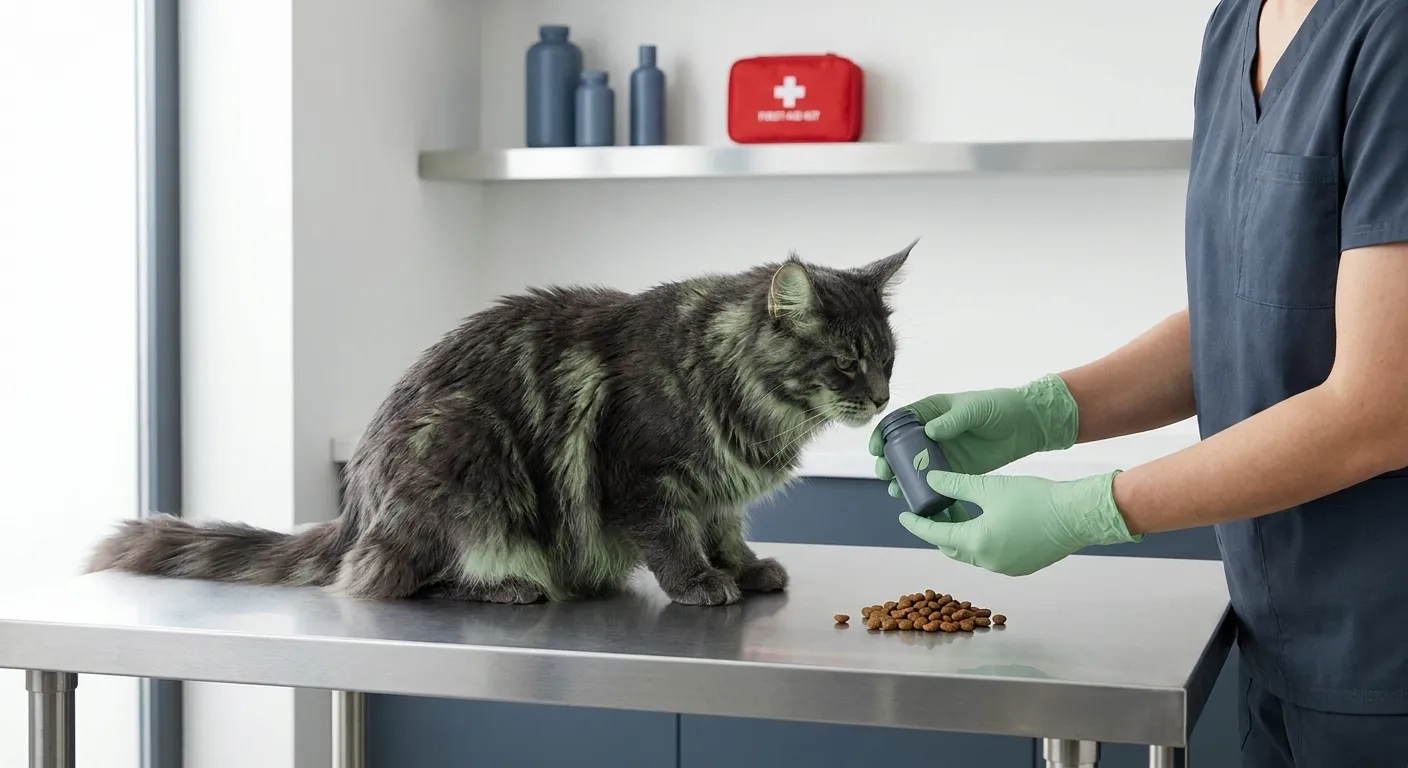
While a balanced diet is primary, certain supplements can provide targeted support for common Maine Coon health considerations. They enhance their preventative care regimen. In fact, many vets recommend them.
Joint Support
Given their impressive size and potential for conditions like hip dysplasia, joint health is a significant concern for Maine Coons. Supplements containing glucosamine, chondroitin, and MSM can help maintain cartilage health. They also reduce inflammation and support joint mobility as they age. Starting these early can be a proactive step in preserving their agility. Consequently, your cat can enjoy a more comfortable life.
Heart Health
Hypertrophic cardiomyopathy (HCM) is a common heart condition in Maine Coons. While genetic, certain supplements can support overall heart function. Taurine, an essential amino acid, is vital for cardiac muscle health. Additionally, omega-3 fatty acids, particularly EPA and DHA, possess anti-inflammatory properties that can benefit the heart. Coenzyme Q10 is another supplement often considered for its role in cellular energy production, which is crucial for heart muscle function. Discuss these options with your veterinarian to determine the best course of action.
Skin and Coat Health
The Maine Coon’s magnificent, long coat requires diligent care. Beyond grooming, nutrition and supplements play a role in maintaining its luster and preventing skin issues. Omega-3 and omega-6 fatty acids are paramount for healthy skin and a shiny coat. Biotin, a B vitamin, also supports healthy hair growth and skin integrity. Furthermore, a healthy gut microbiome contributes to overall skin health, so probiotics can be beneficial. These supplements work from the inside out.
Maintaining a Healthy Weight and Active Lifestyle
Obesity is a growing concern among domestic cats, including Maine Coons. Excess weight puts additional strain on joints and organs, increasing the risk of diabetes, heart disease, and mobility issues. Therefore, maintaining a healthy weight is a critical aspect of Maine Coon preventative health. Your veterinarian can help you determine an ideal weight range for your individual cat.
Portion Control and Regular Exercise
To prevent obesity, carefully monitor your cat’s food portions. Measure their meals according to their age, activity level, and ideal weight. Avoid free-feeding, which can lead to overconsumption. Additionally, encourage regular exercise. Maine Coons are intelligent and enjoy interactive play. Provide puzzle feeders, engage them with wand toys, and consider teaching them to walk on a leash. These activities not only burn calories but also provide mental stimulation. For example, laser pointers can be fun, but always end with a tangible toy to prevent frustration.
Environmental Enrichment
A stimulating environment is crucial for both physical and mental well-being. Provide climbing structures, scratching posts, and safe spaces for exploration. Rotate toys regularly to keep them interested. A bored cat is more likely to become sedentary and potentially develop behavioral issues. Therefore, environmental enrichment contributes significantly to your cat’s overall quality of life and helps maintain their health.
Dental Health: Often Overlooked, Always Important
Dental disease is one of the most common health problems in cats, often leading to pain, infection, and systemic health issues. Yet, it is frequently overlooked by owners. Incorporating dental care into your routine is a vital part of preventative care for Maine Coons.
Regular Dental Care Practices
Ideally, brush your Maine Coon’s teeth daily with cat-specific toothpaste. Introduce this practice early and make it a positive experience. If daily brushing isn’t feasible, aim for several times a week. Additionally, dental treats and water additives can help reduce plaque and tartar buildup. However, these are supplements to brushing, not replacements. Your veterinarian may recommend professional dental cleanings under anesthesia, especially if significant plaque or gingivitis is present. These cleanings are crucial for removing hardened tartar that brushing cannot address. For detailed guidance on feline dental care, refer to resources from organizations like the American Animal Hospital Association.
Parasite Prevention: Internal and External Threats
Parasites pose a significant threat to your Maine Coon’s health. Both internal (worms) and external (fleas, ticks) parasites can cause a range of issues, from mild discomfort to severe illness. Consistent parasite prevention is a cornerstone of responsible pet ownership.
Comprehensive Protection
Work with your veterinarian to establish a year-round parasite prevention plan. This typically includes monthly broad-spectrum dewormers to protect against common intestinal parasites like roundworms, hookworms, and tapeworms. Furthermore, flea and tick prevention is essential, even for indoor cats, as parasites can enter your home on other pets or even your clothing. There are various options available, including topical treatments, oral medications, and collars. Choose the product best suited for your cat’s lifestyle and local parasite risks, always under veterinary guidance. Regular fecal exams are also important to detect internal parasites early.
Behavioral Health and Stress Reduction
A cat’s mental and emotional well-being significantly impacts their physical health. Stress and anxiety can manifest as physical symptoms, affecting the immune system and contributing to various health problems. Therefore, addressing behavioral health is integral to a comprehensive preventative health plan.
Creating a Calm Environment
Maine Coons, while generally laid-back, can still experience stress. Provide a stable routine, consistent feeding times, and plenty of safe, quiet spaces. Minimize sudden changes in their environment or routine. Feliway diffusers, which release calming pheromones, can also be helpful in reducing anxiety, especially during stressful events like vet visits or introductions to new pets. Ensure they have access to vertical spaces, as climbing allows them to observe their surroundings from a secure vantage point, reducing feelings of vulnerability. Consequently, a calm home promotes a healthy cat.
The Importance of Early Detection and Regular Monitoring
Even with the most diligent preventative care, health issues can sometimes arise. Knowing what to look for and monitoring your Maine Coon’s behavior and physical condition daily is paramount for early detection. Subtle changes can often signal underlying problems.
Daily Observation and Vet Communication
Pay attention to any changes in appetite, water consumption, litter box habits, activity levels, or grooming. Notice any limping, coughing, sneezing, or changes in coat condition. Report any concerning observations to your veterinarian promptly. Keeping a journal of your cat’s health and behavior can be useful. This helps you track patterns and provide accurate information to your vet. Regular communication with your vet about your Maine Coon’s health is a crucial aspect of their long-term well-being. Ultimately, you are your cat’s best advocate.
Conclusion: A Lifetime of Wellness with Maine Coon Preventative Health
Ensuring a long, healthy life for your gentle giant is a rewarding commitment. By embracing a proactive approach to Maine Coon preventative health, you equip your beloved companion with the best possible foundation for wellness. This comprehensive strategy includes consistent veterinary care, a high-quality, tailored diet, appropriate supplementation, weight management, regular exercise, diligent dental care, and robust parasite prevention. Furthermore, don’t overlook the importance of a stimulating and stress-free environment. Maine Coons are cherished family members, and their unique needs deserve thoughtful consideration. By integrating these essential practices into their daily lives, you are not just preventing illness; you are fostering a vibrant, joyful existence for your magnificent Maine Coon. Prioritizing their wellness truly means prioritizing their happiness.
FAQ
What are the most common health issues for Maine Coons?
Maine Coons are generally robust, but they can be predisposed to certain genetic conditions. These include hypertrophic cardiomyopathy (HCM), hip dysplasia, and spinal muscular atrophy (SMA). Regular veterinary screenings are vital for early detection and management of these conditions.
How often should my Maine Coon visit the vet?
Adult Maine Coons should have annual wellness exams. Puppies and senior cats may require more frequent visits. These check-ups help monitor overall health, administer necessary vaccinations, and perform preventative screenings.
What diet is best for a Maine Coon’s long-term health?
A high-quality, protein-rich diet is ideal to support their large frame and muscle mass. Look for foods with real meat as the primary ingredient. Omega fatty acids are also beneficial for their skin and coat. Always ensure fresh water is available.
Can I prevent my Maine Coon from developing hip dysplasia?
While hip dysplasia has a genetic component, you can support joint health. Maintain a healthy weight, provide appropriate joint supplements (like glucosamine and chondroitin), and ensure they have a supportive environment. Avoiding excessive high-impact activities in kittenhood can also help.
What role does grooming play in maintaining a Maine Coon’s well-being?
Grooming is crucial for Maine Coons due to their long, dense coats. Regular brushing prevents mats and tangles, which can cause skin irritation and discomfort. It also helps distribute natural oils, keeps their skin healthy, and reduces shedding. Furthermore, it’s a great bonding opportunity.
Explore more: More from MaineCoonCatsGuide