Maine Coons are renowned for their stunning, shaggy coats, but maintaining that majestic appearance requires consistent effort and correct techniques. Many owners seek maine coon grooming tips to keep their feline companions looking their best, yet often encounter common misconceptions. This article will separate fact from fiction, providing expert, evidence-based advice to help you maintain your Maine Coon’s luxurious fur and overall health.
Myth 1: Maine Coons Don’t Need Regular Brushing Because Their Fur is ‘Self-Cleaning’
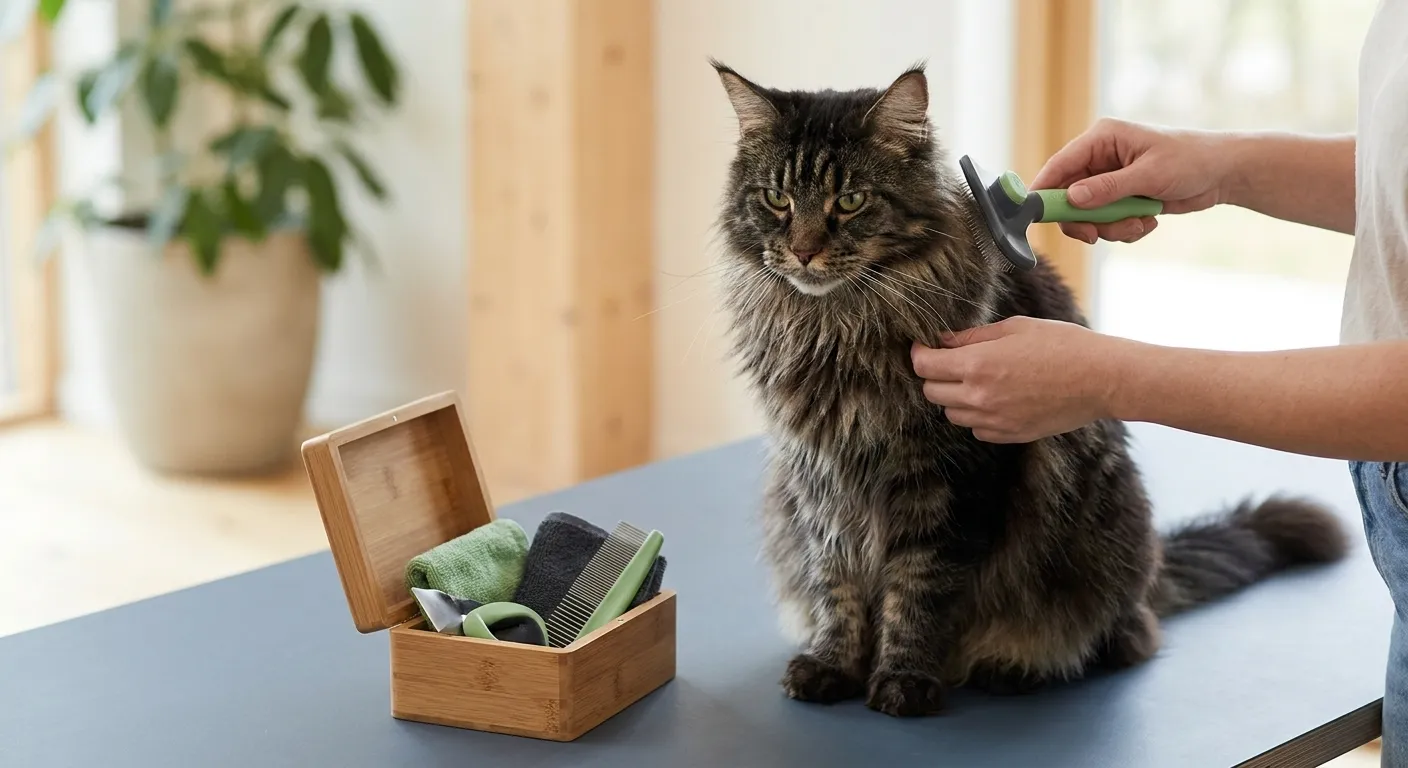
While cats are meticulous self-groomers, a Maine Coon’s long, dense, and often oily coat is prone to matting. Specifically, these mats frequently appear in high-friction areas such as behind the ears, under the legs, and on their ‘britches.’ Relying solely on self-grooming will almost certainly lead to painful mats and various skin issues. Therefore, regular brushing, ideally 3-4 times a week for 10-15 minutes, is absolutely essential. This practice not only removes loose fur and prevents tangles but also effectively distributes natural oils, thereby keeping their skin healthy and coat shiny. Consider using a slicker brush for effective detangling and a wide-toothed comb for deeper penetration through their thick fur.
Myth 2: You Should Never Bathe a Maine Coon
In fact, Maine Coons can and often should be bathed. This is especially true if they are indoor-outdoor cats, possess an oily coat, or happen to get into something messy. While not required weekly, a bath every few months or as needed can significantly help manage dander, reduce shedding, and prevent the buildup of oils that can contribute to matting. Always use a cat-specific shampoo that is gentle and moisturizing for their sensitive skin. Furthermore, introduce bathing early in their life to make it a less stressful experience for both of you. Ensure you rinse thoroughly to avoid skin irritation and dry them completely, as damp fur can unfortunately lead to various skin problems.
Myth 3: Shaving a Maine Coon is the Best Way to Deal with Mats and Heat
Shaving should generally be a last resort, primarily reserved for severe matting that cannot be brushed out without causing significant pain to your cat. While it might seem like a quick fix for heat or mats, shaving can disrupt their natural coat growth cycle. Consequently, this often leads to an uneven or ‘woolly’ regrowth that is even more prone to matting. Furthermore, their fur provides crucial insulation against both cold and heat, so removing it can actually make them more susceptible to sunburn and uncomfortable temperature fluctuations. Instead, focus diligently on preventative brushing and seek professional dematting if necessary. If you absolutely must shave, always consult with a professional groomer or veterinarian beforehand.
Myth 4: Only Professional Groomers Can Handle Maine Coon Nails
While professional groomers are undoubtedly skilled, you can absolutely learn to trim your Maine Coon’s nails at home. Regular nail trims, ideally every 2-4 weeks, are crucial for preventing painful ingrown nails, reducing damage to furniture, and maintaining overall paw health. Start this routine early in their life, making it a positive experience with plenty of treats and praise. Always use sharp, cat-specific nail clippers. Only trim the very tip of the nail, carefully avoiding the ‘quick,’ which is the pink part containing blood vessels and nerves. If you are unsure, consult your vet or a professional groomer for a demonstration. This will help you gain confidence.
Essential Maine Coon Grooming Tips Beyond the Myths
Moving past common misconceptions, let’s explore practical maine coon grooming tips that ensure their coat remains magnificent and their health is prioritized. Establishing a consistent routine is paramount. This breed’s luxurious fur demands attention, and proactive care prevents most major issues. Moreover, remember that grooming is not just about aesthetics; it’s a vital part of your cat’s preventative health regimen. For instance, regular grooming sessions allow you to check for skin abnormalities, parasites, or lumps that might otherwise go unnoticed. Therefore, consider these sessions as an opportunity for bonding and a health check.
Brushing Techniques for a Healthy Maine Coon Coat
Effective brushing is the cornerstone of Maine Coon coat care. As previously mentioned, their dense fur requires specific tools and techniques. Begin with a wide-toothed comb to gently work through any surface tangles. Then, transition to a slicker brush to remove loose undercoat and smooth the top layer. For particularly thick areas, a deshedding tool can be very beneficial, but use it sparingly to avoid damaging the coat. Always brush in the direction of hair growth, being extra gentle around sensitive areas like the belly and armpits. Regular brushing not only prevents mats but also reduces the amount of fur your cat ingests during self-grooming, which can help minimize hairballs. You can find more detailed guidance on a comprehensive approach to their coat care by visiting The Essential Maine Coon Grooming Routine: Keeping Their Coat Pristine.
Bathing Your Maine Coon Safely and Effectively
When it comes to bathing, preparation is key. Gather all your supplies beforehand: cat-specific shampoo, several towels, a non-slip mat for the tub, and perhaps some treats. Use lukewarm water and gently wet your cat, avoiding their eyes and ears. Apply shampoo sparingly, working it into their coat, and rinse thoroughly until the water runs clear. Any shampoo residue can irritate their skin. After rinsing, wrap your Maine Coon in a towel and gently blot them dry. For those cats who tolerate it, a low-setting hairdryer can speed up the drying process, but always ensure the air is cool and never too hot. Remember, a positive attitude and plenty of praise will make the experience much smoother for both of you.
Nail Trimming: A DIY Guide for Maine Coon Owners
Trimming your Maine Coon’s nails is a skill every owner can master. Start by holding your cat comfortably and gently extending one paw. Identify the ‘quick’ – the pink part of the nail – and only snip the clear, sharp tip. If you accidentally cut the quick, it will bleed and be painful; therefore, having styptic powder on hand is a good idea. Reward your cat with treats and praise after each successful trim, even if you only manage one or two nails at a time initially. Consistency builds trust and makes future sessions easier. This essential aspect of care contributes significantly to their overall well-being, just like dental hygiene. For further insights into feline health, consider reading Beyond Bad Breath: Why Maine Coon Dental Hygiene Matters.
Ear Cleaning and Eye Care for Maine Coons
Beyond brushing and bathing, routine ear cleaning and eye care are important maine coon grooming tips. Regularly check your Maine Coon’s ears for any signs of redness, discharge, or foul odor, which could indicate an infection. Using a veterinarian-approved ear cleaner and a soft cotton ball, gently wipe the visible parts of the ear. Never insert anything into the ear canal itself. For their eyes, gently wipe away any discharge with a soft, damp cloth, moving from the inner corner outwards. If you notice excessive tearing, redness, or any signs of discomfort, consult your vet immediately. These simple checks can prevent minor issues from becoming major health problems.
Addressing Mats and Tangles: Prevention is Better Than Cure
Despite your best efforts, mats can still occasionally form. The key is to address them promptly before they become severe. For small, loose tangles, you might be able to gently tease them apart with your fingers or a wide-toothed comb. Use a detangling spray designed for cats to help loosen the fur. For more stubborn mats, a mat splitter tool can be effective, but extreme caution is necessary to avoid cutting the skin. If a mat is large, tight, or close to the skin, it is always best to seek assistance from a professional groomer or your veterinarian. Attempting to cut out severe mats yourself can easily lead to accidental injury. Prevention, through regular brushing, remains the most effective strategy.
The Role of Diet in Coat Health
An often-overlooked aspect of maintaining a magnificent Maine Coon coat is their diet. A high-quality diet rich in essential fatty acids, such as Omega-3 and Omega-6, plays a crucial role in skin and coat health. These nutrients contribute to a shiny, healthy coat and can even help reduce excessive shedding. Look for cat foods that list fish oil or flaxseed as ingredients. If your cat’s coat appears dull, dry, or excessively flaky, it might be worth discussing dietary supplements with your veterinarian. Just as proper nutrition supports their growth, it also supports their coat. For more information on nurturing their development, you might find A Comprehensive Guide to Maine Coon Kitten Diet: Nurturing Their Extended Growth helpful. Ensuring a balanced diet is a foundational element among effective maine coon grooming tips.
Professional Grooming: When to Seek Expert Help
While many maine coon grooming tips can be implemented at home, there are times when professional help is invaluable. If your Maine Coon develops severe matting, has a skin condition requiring specialized care, or simply resists at-home grooming attempts despite your best efforts, a professional groomer can provide expert assistance. They have the tools, experience, and techniques to handle even the most challenging coats. A professional groomer can also offer advice tailored to your cat’s specific coat type and temperament. Sometimes, a regular professional grooming session can complement your at-home routine, especially during shedding seasons. This ensures your gentle giant always looks and feels their best.
Moreover, consider professional input if you notice persistent issues like excessive shedding that doesn’t improve with regular brushing, or if you detect any unusual lumps or bumps during your grooming sessions. A vet visit is always recommended in such cases. For instance, the American Veterinary Medical Association provides excellent resources on recognizing signs of illness in pets, which can be helpful during grooming checks: AVMA Pet Care: Recognizing Signs of Illness. Similarly, the ASPCA offers valuable insights into proper pet care that includes grooming information: ASPCA Cat Grooming Tips.
Conclusion
Maintaining a Maine Coon’s magnificent coat is a rewarding aspect of pet ownership. By debunking common myths and adopting consistent, evidence-based maine coon grooming tips, you can ensure your feline companion remains healthy, comfortable, and beautiful. Remember that regular brushing, occasional bathing, diligent nail trims, and attention to ear and eye hygiene are not just cosmetic practices; they are integral components of their overall well-being. Furthermore, a high-quality diet and knowing when to seek professional assistance will contribute significantly to their long-term health. Embrace these practices, and you’ll enjoy many years with a truly splendid Maine Coon.
FAQ
How often should I brush my Maine Coon cat?
You should brush your Maine Coon cat ideally 3-4 times a week for about 10-15 minutes each session. This helps prevent mats, removes loose fur, and distributes natural oils for a healthy coat.
Is it really necessary to bathe a Maine Coon?
Yes, while not weekly, bathing a Maine Coon every few months or as needed can be very beneficial. It helps manage dander, reduces shedding, and prevents oil buildup that can lead to matting, especially for outdoor cats or those with oily coats.
What are the best tools for Maine Coon coat maintenance?
For effective coat maintenance, a slicker brush is excellent for detangling and removing loose fur. A wide-toothed comb helps with deeper penetration through their dense coat, and a deshedding tool can be used sparingly for the undercoat.
Can I trim my Maine Coon’s nails at home, or do I need a professional?
You can definitely learn to trim your Maine Coon’s nails at home. Regular trims (every 2-4 weeks) are important. Use sharp, cat-specific clippers and only snip the very tip, avoiding the quick. Seek professional guidance if you’re unsure.
How does diet impact my Maine Coon’s fur quality?
Diet plays a significant role in your Maine Coon’s fur quality. A high-quality diet rich in essential fatty acids, like Omega-3 and Omega-6, supports healthy skin and a shiny, magnificent coat. Poor diet can lead to dull, dry fur and excessive shedding.