Bringing Maine Coon kitten home is an incredibly exciting milestone, marking the beginning of a wonderful journey with your new gentle giant. These majestic felines, known for their striking appearance and affectionate personalities, require a thoughtful and prepared environment to thrive. The first week is crucial for their adjustment, setting the foundation for their comfort, health, and your bonding experience. This guide will walk you through essential steps to ensure a smooth and joyful transition for both you and your new furry family member.
Preparing Your Home for a Maine Coon Kitten
Before your Maine Coon kitten even steps through the door, adequate preparation of your home is paramount. Maine Coons are curious and can grow quite large, so ‘kitten-proofing’ takes on an even greater significance. Furthermore, creating a dedicated safe space will help them feel secure in their new surroundings. This initial setup is vital for their well-being.
Essential Supplies Checklist for Your New Arrival
Ensure you have all the necessary items ready. Firstly, high-quality kitten food is essential; ideally, use what they were eating previously to avoid stomach upset. Secondly, ceramic or stainless steel food and water bowls are often preferred for hygiene. A comfortable bed, a litter box with appropriate litter, and several scratching posts are also vital. Additionally, a variety of safe toys will provide much-needed stimulation. Don’t forget a secure carrier for transport and vet visits, as well as a grooming brush suitable for their long fur. For more on nutrition, consider our Nutritional Guide for Optimal Health.
Creating a Safe Haven for Your Maine Coon Kitten
Designate a quiet, safe room for your kitten’s initial introduction. This ‘base camp’ should have all their essentials within easy reach. Remove any potential hazards: secure loose cords, put away small objects they might swallow, and ensure all toxic plants are out of reach. A high-quality cat tree or climbing structure is also beneficial, providing vertical space which cats love and allowing them to observe their new world from a safe vantage point. Consequently, this helps them feel more secure. For further ideas on creating an enriching environment, explore Enriching Maine Coon Environment: Advanced Strategies for a Happy Cat.
The First 24-48 Hours: Gentle Introduction to Their New Home
The initial hours are about minimizing stress and allowing your kitten to acclimate at their own pace. Patience is key during this period. Moreover, a calm environment will significantly aid their adjustment. Remember, this is a big change for them.
Arrival and Initial Exploration
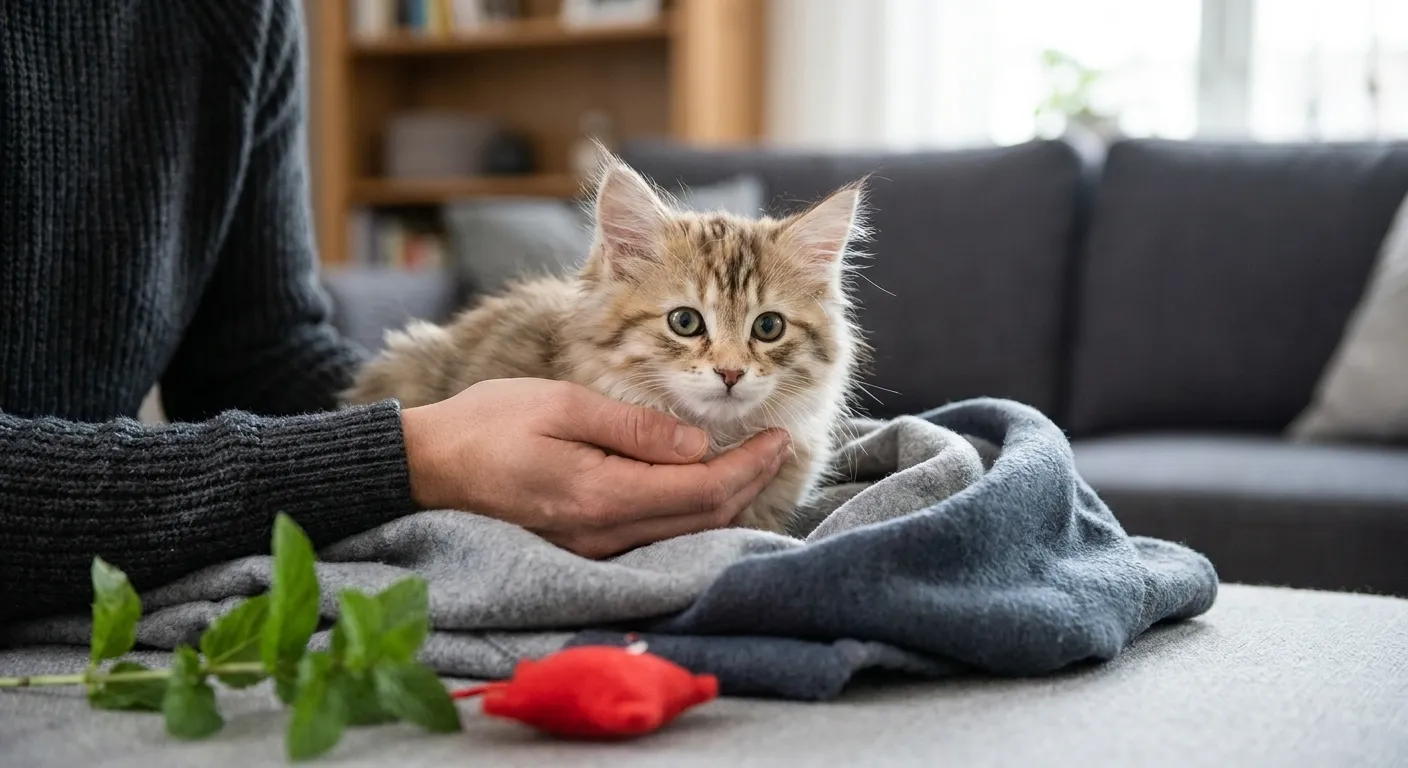
Upon arrival, take your kitten directly to their designated safe room. Open the carrier door and allow them to emerge when they feel ready. Avoid forcing interaction. Let them explore their new space, sniff around, and get used to the new smells and sounds. Keep noise levels low and interactions calm and gentle. Offer food and water, and show them the litter box. This gentle approach is crucial for building trust.
First Meals and Litter Box Training
Offer a small meal of their familiar food. Don’t be alarmed if they don’t eat much initially; stress can reduce appetite. Ensure fresh water is always available. Gently place your kitten in the litter box after waking up, eating, and playing. Most kittens learn quickly through instinct, but positive reinforcement and consistency are helpful. Accidents may happen, but never scold; simply clean thoroughly and redirect. This consistent routine will establish good habits.
Navigating the First Week with Your New Companion
Beyond the initial hours, the rest of the first week focuses on continued bonding and establishing routines. Gradually introduce them to other parts of your home and family members. However, always monitor their reactions closely and provide a retreat if they seem overwhelmed. This phase is about gentle expansion of their world.
Establishing a Routine
Cats thrive on routine. Therefore, try to establish consistent feeding times, play sessions, and litter box cleaning schedules from day one. This predictability helps reduce anxiety and builds confidence in their new environment. Regular play, for instance, helps burn off energy and strengthens your bond. It also provides mental stimulation for your growing kitten.
Socialization and Bonding
Spend quiet time with your kitten. Gentle petting, soft talking, and interactive play with toys like feather wands or laser pointers can foster a strong bond. Encourage family members to interact calmly and gently, especially children. Supervise all interactions closely to ensure positive experiences for everyone involved. Introducing your kitten to new people and experiences slowly and positively is vital for their development. This careful socialization will help them grow into well-adjusted adults.
Health Check-up and Vaccinations
Schedule a visit with your veterinarian within the first few days of bringing Maine Coon kitten home. This initial check-up is essential to ensure your kitten is healthy, to discuss vaccination schedules, deworming, and flea prevention. Your vet can also offer advice tailored to your kitten’s specific needs. For more information on potential health concerns, refer to Maine Coon Health Problems: A Proactive Owner’s Guide to Longevity. This proactive approach to health is a cornerstone of responsible pet ownership.
Common Challenges and Solutions During the First Week
Even with the best preparation, you might encounter a few challenges when bringing Maine Coon kitten home. Understanding these and knowing how to respond can make the transition smoother for everyone.
Adjusting to New Foods
If you need to change your kitten’s food, do so gradually over several days. Mix a small amount of the new food with their old food, slowly increasing the proportion of the new food. This helps prevent digestive upset. Always ensure fresh water is available. A sudden change can lead to stomach issues, which is certainly something to avoid. Consult your vet if your kitten consistently refuses to eat or shows signs of illness.
Addressing Litter Box Issues
Occasional accidents can happen. If your kitten isn’t using the litter box, consider the type of litter, the box’s location, or if it’s clean enough. Some kittens prefer unscented litter or a specific texture. Ensure the litter box is in a quiet, accessible location. Clean the box daily, as Maine Coons are known for their cleanliness. If problems persist, a vet visit is recommended to rule out underlying health issues. Consistency and patience are key.
Managing Nighttime Crying
It’s common for kittens to cry at night, especially during their first few nights. They might miss their littermates and mother. Provide a warm, comfortable bed, a blanket with familiar scents (if possible), and a quiet environment. A ticking clock or a Feliway diffuser can also offer comfort. Avoid immediately rushing to them every time they cry, as this can reinforce the behavior. Instead, ensure all their needs are met, then allow them to settle. This helps them learn to self-soothe.
Long-Term Success: Beyond the First Week
While the first week is crucial, the habits and bonds you establish will contribute to your Maine Coon’s happiness for years to come. Continued enrichment, regular veterinary care, and consistent positive reinforcement are essential. Remember, Maine Coons are intelligent and social cats, thriving on interaction.
Continued Socialization and Training
Continue exposing your kitten to new sights, sounds, and gentle interactions. Positive reinforcement training, such as teaching them to come when called or to tolerate grooming, can be very rewarding. Maine Coons are quite trainable and enjoy mental challenges. Early socialization helps them become well-adjusted adults. For more on grooming, check out Maine Coon Grooming Essentials: Keeping Their Coat Healthy.
Providing Enrichment and Play
Maine Coons are active and intelligent cats. Provide plenty of opportunities for play and mental stimulation. Puzzle toys, interactive feeders, and regular play sessions will keep them engaged and prevent boredom. Vertical spaces, like cat trees, are also highly valued. A bored Maine Coon can sometimes become mischievous, so keeping them entertained is important. Learn more about advanced enrichment strategies at Beyond the Basics: Advanced Enrichment Strategies for Maine Coons.
Regular Veterinary Care
Continue with regular vet check-ups throughout your Maine Coon’s life. Preventative care is key to their long-term health and well-being. Discuss any concerns with your veterinarian promptly. Maintaining a healthy weight and addressing dental hygiene are also important aspects of their care. A healthy Maine Coon is a happy Maine Coon.
Conclusion
Bringing Maine Coon kitten home is an exciting and rewarding experience. By carefully preparing your home, gently introducing your new companion, and establishing consistent routines, you can ensure a smooth and joyful transition. Remember, patience, love, and attention to their unique needs will lay the foundation for a lifetime of companionship with your magnificent gentle giant. This first week is just the beginning of many wonderful years together. For more general cat care advice, a reliable resource is the ASPCA’s cat care section. Additionally, the Cornell Feline Health Center offers invaluable information for cat owners.
FAQ
How long does it take for a new Maine Coon kitten to adjust?
Typically, a new Maine Coon kitten will start to feel comfortable in their new home within the first week. However, full adjustment and confidence can take several weeks or even a few months, depending on the individual kitten’s personality and the environment.
What should I feed my new Maine Coon kitten?
Initially, it’s best to feed your new Maine Coon kitten the same high-quality kitten food they were eating before. If you plan to switch foods, do so gradually over 7-10 days by mixing increasing amounts of the new food with the old to prevent digestive upset.
How do I introduce my Maine Coon kitten to other pets?
Introduce your Maine Coon kitten to other pets slowly and under supervision. Start with scent swapping, then controlled visual introductions from a distance, gradually increasing proximity as they show positive signs. Always provide a safe retreat for the kitten.
What kind of litter box setup is best for a Maine Coon kitten?
For a Maine Coon kitten, a spacious litter box is ideal, as they grow into large cats. Start with a low-sided box for easy access. Unscented, clumping litter is generally preferred. Ensure the box is in a quiet, accessible location and kept meticulously clean.
When should I schedule the first vet visit for my new Maine Coon?
You should schedule a veterinary check-up for your new Maine Coon kitten within the first 48-72 hours of bringing them home. This ensures they are healthy, allows for discussion of vaccinations and parasite control, and establishes a relationship with your vet.
How often should I play with my Maine Coon kitten during the first week?
Aim for several short play sessions throughout the day, perhaps 10-15 minutes each. This helps your Maine Coon kitten burn energy, encourages bonding, and provides mental stimulation, which is crucial for their development and adjustment to their new home.