The majestic Maine Coon is renowned for its stunning, long, and often dense coat. While beautiful, this luxurious fur requires consistent attention to stay healthy and mat-free. Understanding Maine Coon grooming essentials is crucial for their comfort, skin health, and overall well-being. Far from being a mere aesthetic chore, regular grooming is a vital part of responsible pet ownership for this magnificent breed. This expert guide will walk you through the necessary tools, techniques, and routines to maintain your Maine Coon’s magnificent mane.
Why Regular Grooming is Crucial for Maine Coons
For a breed like the Maine Coon, grooming goes beyond just making them look good. Indeed, it’s a preventative health measure. Their unique coat structure necessitates specific care. Regular sessions prevent many common issues.
Preventing Mats and Tangles
Their semi-long, shaggy fur, particularly around their ruff, belly, and ‘britches’, is prone to matting. Mats are not only uncomfortable; they can pull at the skin, cause pain, and even lead to skin infections. Therefore, regular brushing prevents these painful knots from forming. Furthermore, severe matting can restrict movement, causing distress.
Benefits for Skin Health
Brushing helps distribute natural skin oils, promoting a healthy, shiny coat. Moreover, it allows you to regularly inspect your cat’s skin for any abnormalities like fleas, ticks, dry patches, or lumps that might otherwise go unnoticed beneath their thick fur. Early detection of such issues is vital for prompt treatment. In addition, improved circulation from brushing contributes to overall skin vitality.
Essential Grooming Tools for Your Maine Coon
Having the right arsenal of tools makes the grooming process much more effective and enjoyable for both you and your cat. Investing in quality tools is a wise decision for any Maine Coon owner. Certainly, the correct equipment simplifies the task.
Brushes and Combs
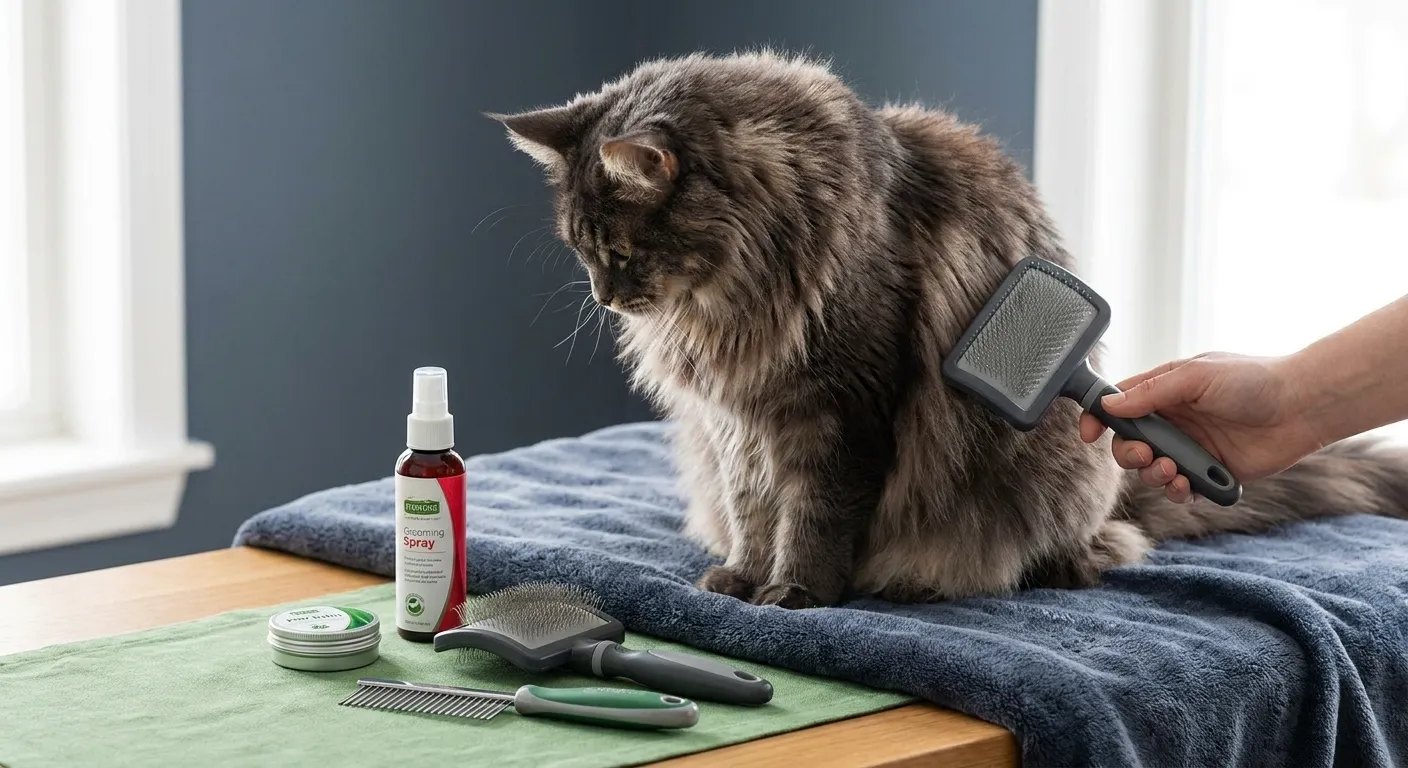
- Slicker Brush: This brush is excellent for removing loose fur and detangling superficial knots. It’s especially useful for the topcoat.
- Undercoat Rake/Comb: Designed to penetrate the dense undercoat and remove shed hair, this tool prevents mats at the skin level. Use with caution to avoid skin irritation.
- Wide-toothed Comb: Ideal for gently working through larger tangles and for general daily combing. It’s perfect for initial passes.
Nail Trimmers
Choose a sharp, good-quality clipper designed for cats. Regular nail trims prevent overgrowth, which can lead to discomfort, snagging, and even ingrown nails. Moreover, overgrown nails can affect your cat’s gait and posture. You can find excellent guidance on proper trimming techniques from resources like the ASPCA on nail trimming for cats.
Shampoos and Conditioners
While Maine Coons don’t require frequent bathing, when they do, use a cat-specific, moisturizing shampoo and conditioner to protect their skin and coat. Avoid human products, which can be too harsh. Specifically, pH-balanced formulas are crucial for feline skin. For instance, a good conditioner helps keep their long fur manageable.
Step-by-Step Grooming Routine for Your Maine Coon
Consistency is key. Aim for short, regular grooming sessions rather than infrequent, long ones. This approach builds trust and makes the experience less stressful for your cat. Indeed, routine helps them anticipate and accept the process.
Effective Brushing Techniques
Start with a wide-toothed comb, gently working from the head down to the tail, focusing on areas prone to matting like the chest, armpits, and hindquarters. Follow with a slicker brush to smooth the coat and remove loose fur. Always brush in the direction of hair growth. If you encounter a mat, gently try to tease it apart with your fingers or the wide-toothed comb. Never pull or cut mats with scissors unless you are experienced, as you risk injuring your cat’s skin. Instead, consider using a mat splitter tool specifically designed for this purpose. Regular brushing is a core component of The Essential Maine Coon Grooming Routine: Keeping Their Coat Pristine.
The Occasional Bath
Most Maine Coons do not require frequent baths, perhaps only a few times a year or when they become noticeably dirty. However, some cats with oilier coats or those who spend time outdoors might need more frequent washing. When bathing, use lukewarm water and a non-slip mat in the tub. Gently wet your cat, apply a small amount of cat-specific shampoo, and lather carefully, avoiding their eyes and ears. Rinse thoroughly until all shampoo is gone, then apply conditioner if desired. Finally, towel dry vigorously and consider using a pet-specific blow dryer on a low, cool setting if your cat tolerates it. This helps prevent chilling and ensures their dense coat dries completely, preventing skin issues.
Ear Cleaning and Eye Care
Regularly check your Maine Coon’s ears for dirt, wax buildup, or any signs of infection (redness, odor, discharge). Use a veterinarian-approved ear cleaner and cotton balls or soft gauze to gently wipe the visible parts of the ear. Never insert anything into the ear canal. Similarly, wipe around your cat’s eyes with a damp, soft cloth to remove any discharge. This is particularly important for preventing tear stains. These small but important steps are part of comprehensive Maine Coon grooming essentials.
Dental Hygiene
While not strictly part of coat grooming, dental care is an essential aspect of overall feline health. Regular tooth brushing can prevent dental disease. Introduce it slowly using a cat-specific toothbrush and toothpaste. If brushing isn’t feasible, consider dental treats or water additives. For more detailed information, explore our guide on Beyond Bad Breath: Why Maine Coon Dental Hygiene Matters. Keeping their teeth clean contributes significantly to their overall well-being.
Addressing Specific Grooming Challenges
Even with a consistent routine, you might encounter specific challenges. Understanding how to tackle them makes the process smoother. Moreover, patience is always a virtue when dealing with your feline friend.
Dealing with Mats Safely
If you find a stubborn mat, resist the urge to pull or cut it with regular scissors, as this can easily injure your cat’s skin. Instead, try to work a detangling spray into the mat, then gently tease it apart with your fingers or the wide-toothed comb. For very tight mats close to the skin, a specialized mat splitter or de-matting tool can be used with extreme caution. If mats are severe or extensive, it’s always best to consult a professional groomer or your veterinarian. They can safely remove the mats and prevent further discomfort. Early intervention is key to preventing mats from becoming larger problems.
Managing Shedding
Maine Coons shed year-round, with heavier shedding seasons in spring and fall. Regular brushing, especially with an undercoat rake, is the best defense against excessive shedding. This removes loose fur before it can end up on your furniture or swallowed by your cat, which can lead to hairballs. A healthy diet also contributes to a healthy coat and can minimize shedding. Consider supplementing with omega fatty acids, but always consult your vet first. Furthermore, a consistent grooming schedule helps manage this natural process effectively.
Building a Positive Grooming Experience
Grooming doesn’t have to be a battle. With the right approach, it can become a bonding experience for you and your Maine Coon. Indeed, positive reinforcement is crucial.
Starting Early and Making it Positive
Introduce grooming tools and routines when your Maine Coon is a kitten. Short, positive sessions with lots of praise and treats will help them associate grooming with pleasant experiences. Gradually increase the duration as they become more comfortable. This early exposure is one of the most important Maine Coon grooming essentials. Never force your cat or punish them during grooming, as this will create negative associations.
Choosing the Right Time and Environment
Select a quiet time when your cat is relaxed, perhaps after a meal or a play session. A calm environment, free from distractions, is ideal. Ensure you are also relaxed; cats can sense your stress. A raised surface, like a sturdy table, can make it easier on your back and keep your cat contained. Always ensure the surface is non-slip for their safety. Creating a consistent routine helps your cat anticipate the session.
Rewards and Reinforcement
Always end grooming sessions with a treat, playtime, or a favorite cuddle. This positive reinforcement reinforces the idea that grooming is a good thing. Even if a session is short or not perfectly executed, end on a good note. Your cat will be more cooperative next time if they know there’s a reward waiting. In fact, some cats learn to look forward to grooming for the treats alone. This makes maintaining proper Maine Coon grooming essentials much easier.
Beyond the Basics: Professional Grooming and Health Checks
While DIY grooming is essential, there are times when professional help or a vet check is necessary. Knowing when to seek expert assistance is part of responsible pet ownership.
When to Seek Professional Grooming
If your Maine Coon has extensive matting that you cannot safely remove, or if they are particularly resistant to grooming, a professional groomer specializing in cats can be invaluable. They have the expertise and specialized tools to handle difficult coats and temperaments. Furthermore, a professional groomer can offer advice tailored to your cat’s specific coat type and needs. This ensures their comfort and well-being. Sometimes, a full professional groom can reset their coat health, making at-home maintenance easier.
Regular Veterinary Check-ups
Regular veterinary visits are crucial for overall health, and your vet can offer advice on coat and skin health. They can identify underlying issues that might be contributing to poor coat condition, such as allergies, parasites, or nutritional deficiencies. Moreover, a vet can demonstrate proper grooming techniques or recommend specific products. These check-ups are an indispensable part of Maine Coon Preventative Health: Essential Care for Longevity. For instance, sometimes a dull coat might indicate an internal health problem, not just a grooming oversight.
Conclusion
Maintaining the magnificent coat of your Maine Coon requires dedication, patience, and the right approach. By understanding and implementing these Maine Coon grooming essentials, you are not only preserving their stunning appearance but also safeguarding their health and comfort. Regular brushing, occasional bathing, and attention to details like nails, ears, and teeth contribute to a happy, healthy cat. Remember to make grooming a positive, bonding experience, starting early and using plenty of rewards. Your gentle giant will thank you for the consistent care, looking and feeling their best. Embracing these practices ensures your Maine Coon thrives.
FAQ
What are the most important tools for maintaining a Maine Coon’s coat?
The most important tools include a slicker brush, an undercoat rake, and a wide-toothed comb. Additionally, quality nail clippers and cat-specific shampoo are essential. These items will help you manage their dense fur effectively.
How often should I groom my Maine Coon cat?
Daily brushing is ideal for preventing mats and removing loose fur. However, aim for at least 3-4 times a week for thorough sessions. Baths are usually needed only every few months or as necessary. Consistency is more important than frequency for these long-haired cats.
Can I use human shampoo on my Maine Coon?
No, you should never use human shampoo on your Maine Coon. Human shampoos have a different pH balance and can be too harsh, stripping natural oils and irritating your cat’s skin. Always use a cat-specific shampoo and conditioner. This protects their sensitive skin and preserves their coat health.
What should I do if my Maine Coon gets a mat?
For small mats, try gently teasing them apart with your fingers or a wide-toothed comb after applying a detangling spray. Never pull or cut mats with scissors unless you are very experienced, as you risk injuring your cat. For severe or extensive matting, it’s always best to seek help from a professional groomer or veterinarian. Prompt attention prevents them from worsening.
How can I make grooming a positive experience for my cat?
Start grooming when your Maine Coon is young, keeping sessions short and positive. Use gentle handling, offer plenty of praise, and reward them with treats or playtime afterward. Choose a calm environment and be patient. This approach helps build trust and positive associations with the grooming process.