Maine Coons are renowned for their magnificent, shaggy coats. However, with great beauty comes great responsibility. Establishing a consistent Maine Coon grooming routine is crucial not only for their appearance but also for their overall health and comfort. Their long, dense fur is prone to matting and tangles if not regularly maintained, which can lead to skin irritation and discomfort. A well-groomed Maine Coon is a happy and healthy Maine Coon. Understanding the basics of their specific grooming needs will help you keep your gentle giant looking and feeling their best. Therefore, regular care is non-negotiable for these beautiful felines.
Mastering the Maine Coon Grooming Routine: Brushing
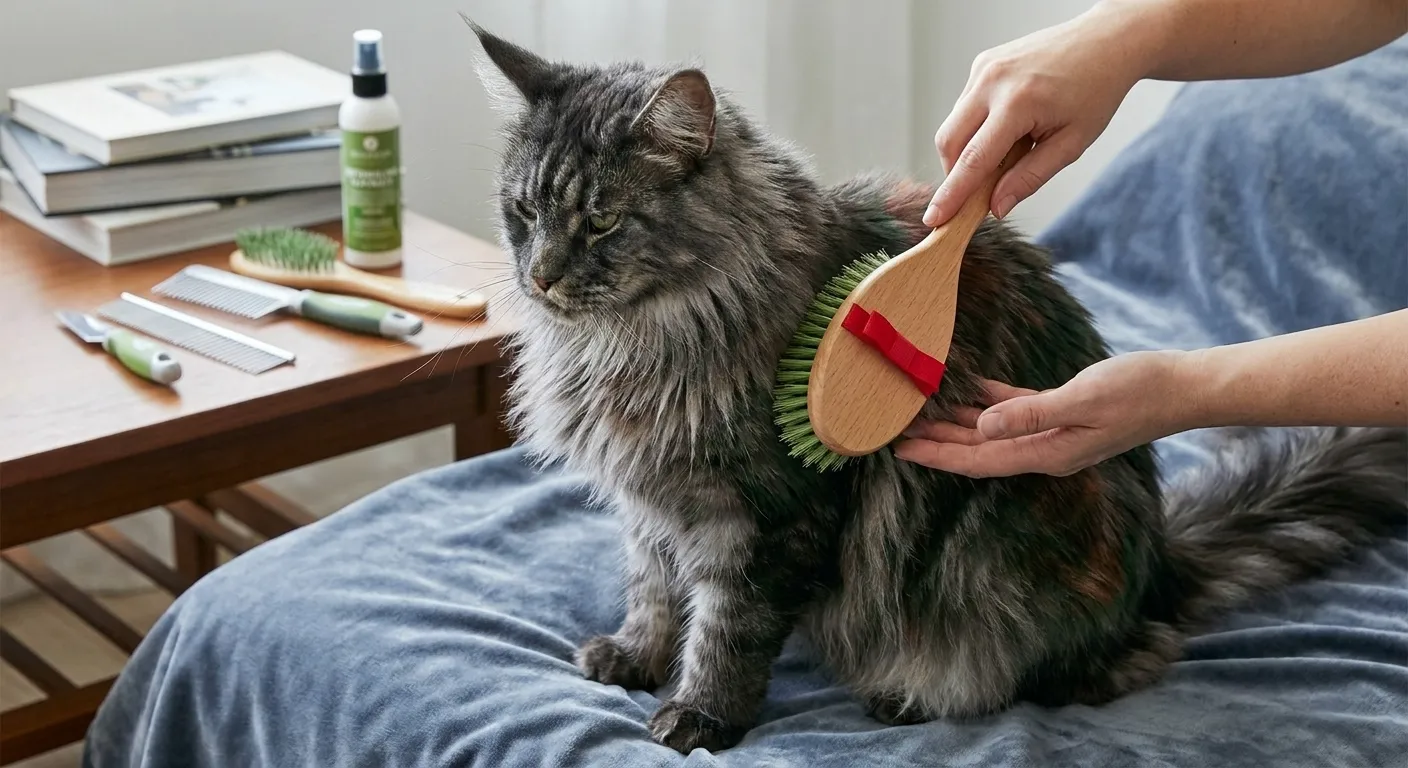
The cornerstone of any cat grooming regimen, especially for a Maine Coon, is regular brushing. Aim for at least 2-3 times per week. Daily brushing is ideal during shedding seasons, particularly in spring and fall. You will need a few essential tools. First, a good quality slicker brush is excellent for removing loose undercoat and mats. Additionally, a metal comb is indispensable for detangling smaller knots and checking for missed areas. Finally, a rubber curry brush can massage the skin and distribute natural oils, promoting a healthy shine. Start brushing from the head and work your way down to the tail. Pay special attention to areas prone to matting like the armpits, belly, and behind the ears. Always be gentle, especially with any tangles. Use a detangling spray if necessary to loosen stubborn knots without pulling. This consistent effort prevents discomfort and maintains coat health.
The Importance of Regular Brushing for Maine Coons
Regular brushing does more than just keep your Maine Coon looking tidy. It significantly reduces the amount of loose fur they ingest during self-grooming. Consequently, this helps prevent hairballs, which can cause digestive issues. Furthermore, brushing stimulates blood circulation in the skin. This promotes a healthier coat and can even strengthen the bond between you and your cat. It also provides an excellent opportunity to check for any skin issues, bumps, or parasites that might be hidden beneath their thick fur. For example, you might discover fleas or ticks early, allowing for prompt treatment. Therefore, making brushing a positive and calm experience is beneficial for both of you.
Beyond Brushing: Baths, Nails, and Ears
While Maine Coons are generally good self-groomers, occasional baths are necessary. This is especially true if their coat becomes greasy or heavily soiled. Always use a cat-specific shampoo to avoid skin irritation. Introduce bathing gradually. Make it a positive experience with treats and calm reassurance. Nail trims should be done every 2-4 weeks to prevent overgrowth and discomfort. A sturdy pair of cat nail clippers will do the trick. You can also use a scratch post as a supplementary tool. Finally, regularly check their ears for dirt, wax buildup, or signs of infection. Clean them gently with a vet-approved ear cleaner and cotton balls. Never insert anything deep into the ear canal. If you notice any redness, discharge, or foul odor, consult your veterinarian promptly. These steps are vital components of a complete Maine Coon grooming routine.
Bathing Your Maine Coon: Tips for Success
Many cats dislike water, but Maine Coons often tolerate it better than other breeds. Nevertheless, a positive first experience is key. Begin by simply getting your cat used to the bathroom. Turn on the water without putting them in the tub. Use lukewarm water. Ensure the water level is low. Gently wet their coat, avoiding their face. Apply a small amount of cat-specific shampoo. Lather gently, then rinse thoroughly. Leaving shampoo residue can irritate their skin. After the bath, wrap your Maine Coon in a warm towel. Dry them as much as possible. Some Maine Coons may tolerate a low-heat hairdryer. Always supervise them closely during drying. This careful approach makes the bathing aspect of their grooming less stressful.
Dealing with Mats and Tangles in Your Maine Coon’s Coat
Despite your best efforts, mats and tangles can still occur in your Maine Coon’s magnificent coat. These can be painful and lead to skin infections if left unaddressed. Prevention is always better than cure. Consistent brushing is your first line of defense. When you encounter a mat, do not pull on it. Instead, use a detangling spray designed for cats. Gently work the mat apart with your fingers or a metal comb, starting from the outer edges and working inwards. For very stubborn mats, a mat splitter or a rounded-tip scissor can be used with extreme caution. Always place your fingers between the mat and the skin to prevent accidental cuts. If mats are severe or close to the skin, it is best to seek professional grooming assistance. A professional can safely remove them without causing stress or injury to your cat. Proper technique is crucial for managing these common coat challenges.
Essential Tools for Your Maine Coon Grooming Kit
Having the right tools makes a significant difference in the effectiveness and ease of your Maine Coon grooming routine. Here is a comprehensive list of what you will need:
- Slicker Brush: Excellent for removing loose fur and undercoat.
- Metal Comb: Ideal for detangling knots and checking for missed spots.
- Rubber Curry Brush: Great for massaging the skin and distributing natural oils.
- Cat Nail Clippers: Choose a sturdy, sharp pair for clean cuts.
- Styptic Powder: Essential to stop bleeding if you accidentally cut too far during nail trims.
- Cat-Specific Shampoo: Gentle formulas are crucial for their sensitive skin.
- Cat Conditioner (optional): Can help keep their coat soft and reduce tangles.
- Detangling Spray: A must-have for loosening knots and mats.
- Ear Cleaner (vet-approved): For gentle ear hygiene.
- Soft Towels: For drying after baths.
- Treats: To make grooming a positive experience.
- Grooming Table or Non-Slip Mat: Provides a stable surface for grooming.
Investing in quality tools will make your grooming sessions more efficient and enjoyable for both you and your Maine Coon. Furthermore, keeping these tools clean and well-maintained will ensure their longevity and effectiveness. This comprehensive kit supports a thorough and effective grooming schedule.
Maintaining Your Maine Coon’s Health Through Grooming
A consistent Maine Coon grooming routine is not just about aesthetics. It is a vital part of preventative health care. During grooming sessions, you have a unique opportunity to conduct a head-to-tail health check. For instance, while brushing, you can feel for any unusual lumps, bumps, or tender spots. You can also inspect their skin for redness, flakiness, or parasites like fleas and ticks. Checking their eyes for discharge or cloudiness is another important step. Furthermore, inspect their teeth and gums for any signs of dental disease, such as plaque buildup or inflammation. Early detection of these issues can lead to quicker and more effective treatment, preventing more serious health problems down the line. Thus, grooming becomes an invaluable part of your cat’s overall wellness plan. This dedicated time reinforces your bond while ensuring their optimal well-being. Regular checks are a key benefit of a diligent Maine Coon grooming routine.
Seasonal Grooming Adjustments for Your Maine Coon
Maine Coons, like many long-haired breeds, experience seasonal shedding. Adjusting your Maine Coon grooming routine accordingly is beneficial. During spring and fall, when they typically shed their winter and summer coats respectively, you will likely need to increase the frequency of brushing. Daily brushing might be necessary to manage the increased volume of loose fur and prevent mats from forming. In contrast, during the warmer summer months, lighter brushing might suffice. However, it is still essential to maintain regular checks for tangles. During winter, their coat becomes thicker for insulation, requiring diligent brushing to prevent the dense undercoat from matting. Paying attention to these seasonal changes ensures your Maine Coon’s coat remains healthy and comfortable year-round. Therefore, flexibility in your grooming schedule is key to their comfort.
The Role of Diet in Coat Health
A healthy coat starts from within. The diet you provide your Maine Coon plays a crucial role in the health and luster of their fur. High-quality cat food, rich in essential fatty acids like Omega-3 and Omega-6, can significantly improve coat condition. These nutrients help maintain skin hydration and reduce shedding. Look for cat foods that list real meat as the primary ingredient. Avoid fillers and artificial additives. Consider supplementing their diet with vet-approved fish oil if their coat appears dull or dry. A balanced diet not only supports a beautiful coat but also contributes to their overall health and vitality. Consequently, a good diet makes your Maine Coon grooming routine more effective. For more information on cat nutrition, visit PetMD’s cat nutrition section.
Professional Grooming vs. At-Home Care
While a consistent at-home Maine Coon grooming routine is essential, there are times when professional grooming can be beneficial. Professional groomers have specialized tools and expertise to handle stubborn mats, perform thorough de-shedding treatments, and provide a full-service bath and trim. If your Maine Coon has extensive matting, is difficult to handle during grooming, or requires a specific coat trim, a professional can offer valuable assistance. They can also introduce your cat to grooming in a calm and controlled environment. However, professional grooming should complement, not replace, your regular at-home efforts. A combination of both ensures your Maine Coon’s coat remains in pristine condition and supports their overall well-being. Discussing your cat’s specific needs with your veterinarian can help you decide if professional grooming is right for them. This collaborative approach enhances the effectiveness of your cat’s care.
By committing to a regular grooming schedule, you will not only enhance your Maine Coon’s beauty but also strengthen your bond. These consistent efforts prevent painful matting and allow you to regularly check for any skin issues or parasites. This contributes significantly to your cat’s long-term health and happiness. A well-maintained coat reflects a well-cared-for cat. Therefore, embrace the responsibility and enjoy the process of keeping your gentle giant pristine.
FAQ: Frequently Asked Questions About Maine Coon Grooming
How often should I brush my Maine Coon?
You should aim to brush your Maine Coon at least 2-3 times per week. However, during shedding seasons (typically spring and fall), daily brushing is highly recommended to manage loose fur and prevent mats.
Are baths necessary for Maine Coons?
While Maine Coons are good at self-grooming, occasional baths are necessary, especially if their coat becomes greasy or heavily soiled. Use a cat-specific shampoo and make the experience as positive as possible.
What tools do I need for Maine Coon coat care?
Essential tools include a slicker brush, a metal comb, cat nail clippers, a vet-approved ear cleaner, cat-specific shampoo, and a detangling spray. A rubber curry brush can also be beneficial.
How do I deal with mats in my Maine Coon’s fur?
For small mats, use a detangling spray and gently work them apart with your fingers or a comb. For severe or extensive matting, it is best to consult a professional groomer or veterinarian to avoid injuring your cat.
Does diet affect my Maine Coon’s coat quality?
Absolutely. A high-quality diet rich in essential fatty acids, such as Omega-3 and Omega-6, significantly contributes to a healthy, shiny coat and reduces shedding. Ensure their food lists real meat as a primary ingredient.
Explore more: More from MaineCoonCatsGuide