
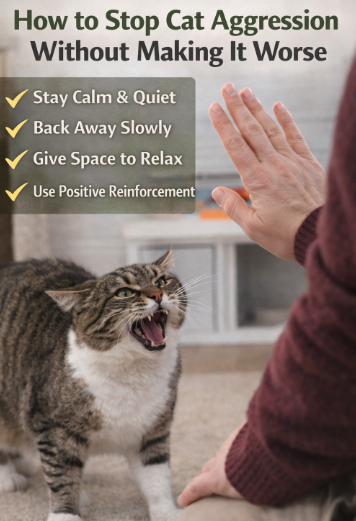
Learning how to stop cat aggression can feel overwhelming, especially when your cat suddenly becomes defensive or unpredictable. However, aggression is rarely random. In most cases, it is your cat’s way of communicating fear, discomfort, or frustration. Once you understand this, your approach becomes more focused and effective. Instead of reacting emotionally, you can begin to respond in ways that calm the situation rather than escalate it.
Many owners unintentionally make aggression worse by reacting too quickly or harshly. For example, yelling or punishing a cat often increases fear, which leads to more defensive behavior. Therefore, the first step to stop cat aggression is to recognize that your response matters just as much as your cat’s behavior. By staying calm and consistent, you create an environment where your cat feels safer.
It is also important to understand that aggression does not disappear overnight. Behavior changes take time, so patience becomes one of your most powerful tools. As you learn to stop cat aggression effectively, you will notice gradual improvements that lead to long-term results.
Understanding Why Cats Become Aggressive
Before you can stop cat aggression, you need to identify what is causing it. Cats do not act aggressively without a reason, even if the trigger is not obvious at first. Fear is one of the most common causes. Loud noises, sudden movements, or unfamiliar environments can easily make a cat feel threatened.
Another frequent cause is overstimulation. While cats enjoy affection, too much petting can become uncomfortable. When this happens, they may react quickly with a bite or scratch. Therefore, learning your cat’s tolerance level is essential if you want to stop cat aggression before it escalates.
Territorial behavior also plays a role. Cats often see their home as their personal space, so changes like new pets or visitors can create stress. In these situations, aggression becomes a way to defend their territory.
Additionally, redirected aggression can occur when a cat is frustrated by something it cannot reach. For example, seeing another animal through a window may trigger agitation. Since the cat cannot reach the source, it may direct its frustration toward you instead. Recognizing these patterns is key to addressing the problem correctly.
Common Mistakes That Make Aggression Worse
One of the biggest mistakes owners make when trying to stop cat aggression is using punishment. Although it may seem like a quick solution, punishment increases fear and damages trust. As a result, your cat may become even more defensive over time.
Another mistake is ignoring early warning signs. Cats usually show subtle signals before becoming aggressive. These include tail flicking, flattened ears, and tense body posture. If you miss these signs, you lose the chance to prevent escalation.
Forcing interaction is also a common issue. Picking up or petting a cat when it does not want attention can trigger a negative reaction. Instead, allowing your cat to approach you helps build confidence and reduces stress.
Inconsistent routines can also contribute to the problem. Cats rely on predictability, so sudden changes can lead to anxiety. Therefore, maintaining a stable environment is essential if you want to stop cat aggression effectively.
Calm And Effective Ways To Manage Behavior
To stop cat aggression, you need to focus on calm and controlled responses. When your cat shows signs of agitation, the best approach is to create space. Stepping back allows your cat to settle down without feeling threatened.
Providing safe zones is another helpful strategy. Cats need places where they can retreat and feel secure. This could be a quiet room, a high perch, or a comfortable hiding spot. When your cat knows it has a safe place, it is less likely to react aggressively.
Interactive play is also important. Regular play sessions help release energy and reduce frustration. Toys like feather wands or laser pointers allow your cat to engage in natural hunting behavior without targeting you.
Positive reinforcement works well in shaping behavior. Reward calm actions with treats or gentle praise. Over time, your cat will associate peaceful behavior with positive outcomes, making it easier to stop cat aggression.
Building Trust And Reducing Fear
Trust plays a central role when you try to stop cat aggression. Without trust, your cat will remain on edge and more likely to react defensively. Building trust starts with respecting boundaries and avoiding forced interaction.
Slow movements and soft communication help your cat feel safe. Sudden gestures can be interpreted as threats, so staying relaxed is essential. Over time, your cat will begin to associate your presence with comfort rather than stress.
Consistency also strengthens trust. Feeding, playtime, and rest should follow a regular schedule. This predictability reduces anxiety and helps your cat feel more secure.
Additionally, understanding your cat’s body language allows you to respond appropriately. When you notice early signs of discomfort, you can adjust your behavior before aggression occurs. This proactive approach is one of the most effective ways to stop cat aggression.
The Importance Of Environment And Routine
Your cat’s environment has a direct impact on behavior. A stimulating and comfortable space can significantly reduce stress and aggression. Therefore, providing enrichment is an important step when you want to stop cat aggression.
Climbing structures, scratching posts, and interactive toys keep your cat mentally engaged. These activities prevent boredom, which can otherwise lead to frustration and aggressive behavior.
Routine is equally important. Feeding your cat at the same times each day creates a sense of stability. When your cat knows what to expect, it feels more relaxed and less likely to act out.
Reducing environmental stressors also helps. Limiting loud noises, managing interactions with other pets, and maintaining a calm atmosphere can make a noticeable difference. Over time, these changes contribute to a more peaceful home.
When Health Issues May Be The Cause
Sometimes, aggression is linked to physical discomfort. Pain or illness can make a cat more sensitive and defensive. If your cat suddenly becomes aggressive, it is important to consider a medical cause.
Conditions like arthritis, dental problems, or injuries can trigger aggressive reactions when touched. Therefore, a veterinary checkup is essential if the behavior appears suddenly or worsens quickly.
Hormonal factors can also play a role. Unneutered cats are often more territorial and prone to aggression. In many cases, spaying or neutering helps reduce these behaviors.
Addressing health concerns early not only improves your cat’s well-being but also supports your efforts to stop cat aggression effectively.
Creating Long-Term Behavior Change
Long-term improvement requires consistency and patience. Quick fixes rarely work, so it is important to focus on gradual progress. By combining positive reinforcement, environmental adjustments, and routine, you can create lasting change.
Tracking your cat’s behavior can also be helpful. Noticing patterns allows you to identify triggers and adjust your approach accordingly. This awareness makes it easier to stop cat aggression before it becomes a bigger issue.
In addition, staying calm during incidents is crucial. Reacting with frustration can reinforce negative behavior. Instead, maintaining a steady and composed response helps your cat feel secure.
Over time, these consistent efforts lead to noticeable improvements. While setbacks may occur, they are part of the process. Staying committed ensures that progress continues.
Conclusion
Learning how to stop cat aggression without making it worse requires understanding, patience, and the right approach. Aggression is not a sign of a bad cat, but a signal that something needs attention. By identifying triggers, avoiding common mistakes, and creating a supportive environment, you can reduce aggressive behavior effectively.
Building trust is the foundation of long-term success. When your cat feels safe and understood, it becomes less likely to react defensively. Although change takes time, consistent effort leads to a calmer and more balanced relationship.
With the right strategies, you can transform challenging behavior into a more positive and rewarding experience for both you and your cat.
FAQ
- Why does my cat suddenly become aggressive?
Sudden aggression often results from fear, stress, or pain. Identifying recent changes can help explain the behavior. - Is punishment effective for aggressive cats?
No, punishment usually increases fear and makes the behavior worse instead of improving it. - How can I calm my cat during an aggressive episode?
Give your cat space, avoid direct contact, and allow it to settle down in a quiet area. - Can playtime reduce aggressive behavior?
Yes, regular play helps release energy and reduces frustration that may lead to aggression. - When should I seek professional help?
If aggression becomes frequent, severe, or dangerous, consult a veterinarian or animal behavior expert.